


Introduction
The landscape of personal technology is undergoing a seismic shift. For over a decade, the wearable technology market was dominated by utilitarian aesthetics—bulky wrist computers and rubberized fitness bands that screamed “gadget” rather than “garment.” However, a new era has dawned, characterized by the seamless convergence of high fashion, advanced materials, and sophisticated artificial intelligence. We are no longer merely quantifying the self; we are interpreting the self through the lens of AI.
Recent developments in the industry highlight a move toward “invisible intelligence.” Tech giants are now releasing devices that masquerade as premium jewelry—sleek titanium rings and elegant timepieces—while housing medical-grade sensors and neural processing units. This evolution is central to current AI in Fashion / Wearable Tech News, marking a departure from reactive tracking to proactive health coaching. The focus has shifted from simply counting steps to analyzing complex biological signals to provide a holistic “energy score” or readiness rating.
This article delves into how AI is revolutionizing wearable tech, transforming these devices from passive observers into active health companions. We will explore the rise of the smart ring, the evolution of the smartwatch, and how these devices integrate into the broader ecosystem of Health & BioAI Gadgets News and Smart Home AI News to create a fully interconnected, intelligent lifestyle.
Section 1: The Form Factor Revolution – When Tech Becomes Jewelry
The Rise of the Smart Ring
Perhaps the most significant development in recent wearable history is the mainstream adoption of the smart ring. While startups have populated this niche for years, major tech players entering the arena validates the form factor as the future of discreet health monitoring. Unlike a watch, a ring is less intrusive, has no screen to distract the user, and often provides more accurate heart rate data due to the density of capillaries in the finger.
From a fashion perspective, this is a game-changer. The device is designed to be worn 24/7, blending seamlessly with casual wear or formal attire. The engineering challenge here is immense: fitting battery, Bluetooth modules, accelerometers, and optical sensors into a concave titanium shell. This miniaturization is a headline topic in AI Sensors & IoT News, proving that powerful AI edge computing can exist in the smallest footprints.
Aesthetic Functionalism in Smartwatches
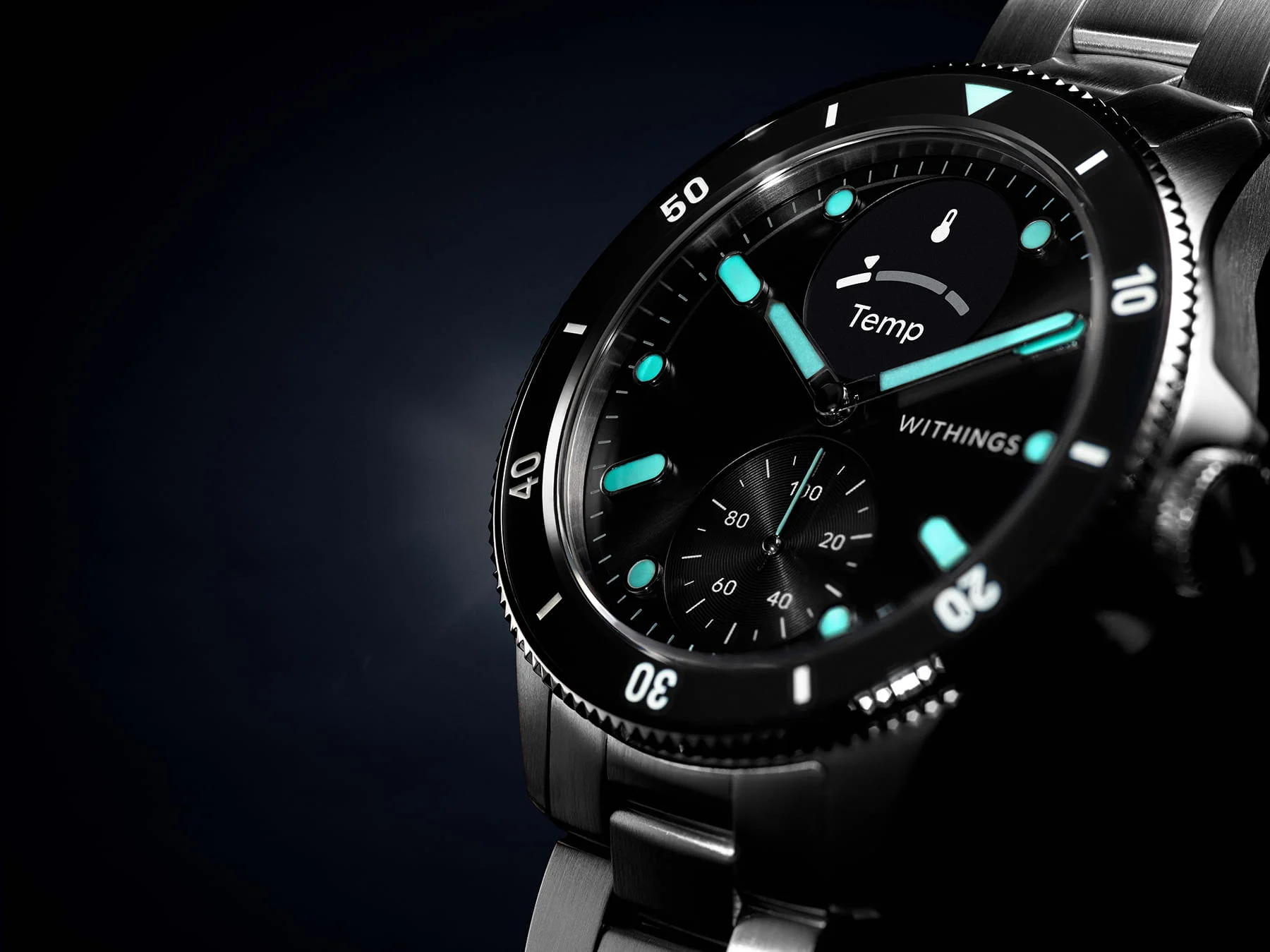
Simultaneously, smartwatches are shedding their “tech-first” skin. The latest iterations feature sapphire crystal glass, titanium frames, and bands that rival luxury Swiss watchmakers. However, the real innovation lies beneath the bezel. New bio-active sensors are being deployed to measure advanced metrics like Advanced Glycation End Products (AGEs), blood pressure, and body composition.
These devices are no longer just peripherals for our phones; they are standalone health clinics. In the context of AI Phone & Mobile Devices News, the watch acts as a primary data collector, while the phone serves as the dashboard. The synergy between the two allows for a fashion-forward approach where the technology supports the user’s lifestyle without dominating their visual aesthetic.
The “Invisible Tech” Philosophy
The ultimate goal of this new wave of wearables is “ambient computing.” The technology works in the background. You don’t interact with a smart ring; you live with it. It passively collects data on sleep, movement, and heart rate variability (HRV). This aligns with trends in AI Research / Prototypes News, where the objective is to reduce friction between human and machine. By making the device look like a piece of jewelry, manufacturers remove the psychological barrier of “wearing a computer,” leading to higher adoption rates and more consistent data collection.
Section 2: The AI Engine – From Data Logging to Predictive Coaching
The “Energy Score” and Holistic Wellness
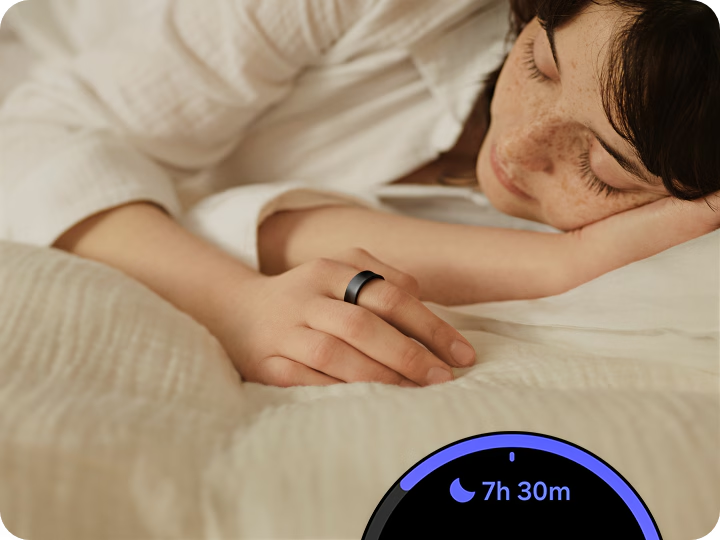
Raw data is overwhelming. Knowing you slept for 6 hours and 42 minutes is interesting, but knowing what that means for your day is actionable. This is where Artificial Intelligence steps in. The latest wearables utilize machine learning algorithms to synthesize vast amounts of biometric data into simplified metrics, often referred to as an “Energy Score” or “Readiness Score.”
These algorithms analyze:
- Sleep Architecture: Not just duration, but time in REM vs. Deep sleep.
- Heart Rate Variability (HRV): A key indicator of nervous system recovery.
- Previous Day’s Activity: The physical load placed on the body.
By processing this data, the AI acts as a coach. If your score is low, the device might suggest a rest day or a light yoga session rather than a high-intensity interval workout. This represents a massive leap in AI Fitness Devices News, moving away from the “more is better” mentality to a scientifically backed “balanced is better” approach.
Sleep AI: The New Frontier
Sleep tracking has become the killer app for wearables. New AI models are capable of detecting sleep apnea signs, analyzing snoring patterns (often using the paired phone’s microphone), and monitoring blood oxygen levels. In the realm of AI Sleep / Wellness Gadgets News, this is revolutionary. The AI doesn’t just track; it correlates. It might tell you, “Your deep sleep was 15% lower last night; this correlates with your late caffeine intake.”
Furthermore, these devices are beginning to integrate with AI Sleep / Wellness Gadgets News in the home environment. Imagine a scenario where your smart ring detects you have fallen asleep and signals your smart thermostat to lower the temperature and your smart blinds to close. This level of automation turns a wearable into a remote control for your environment.
Gesture Control and Neural Interfaces
The integration of AI also enhances how we interact with these devices. We are seeing the introduction of “double pinch” gestures, where tapping the thumb and index finger together triggers an action on the watch or connected phone. This utilizes the accelerometer and gyroscope to detect minute vibrations in the wrist.
This touches upon Neural Interfaces News and AI for Accessibility Devices News. For users with limited mobility, or simply for those whose hands are full carrying groceries, the ability to answer a call or dismiss an alarm with a simple finger gesture is a profound usability improvement. It transforms the arm into a controller, blurring the lines between the body and the digital interface.
Section 3: Ecosystem Implications – The Connected Lifestyle
Wearables as the Smart Home Hub
The utility of fashion-forward wearables extends far beyond the body. They are becoming the primary authentication and control keys for the smart home. As discussed in Smart Home AI News, a smartwatch or ring can detect presence. When you walk into a room, your wearable signals your location.
Real-World Scenario: You arrive home with groceries. Your smart ring authenticates you at the door (smart lock), unlocking it automatically. As you step inside, your watch detects your elevated heart rate from carrying bags and instructs the AI Lighting Gadgets News system to turn on “Cool Down” lighting rather than harsh bright lights. Simultaneously, the AI Audio / Speakers News system begins playing calming ambient music. This is the promise of an AI-driven ecosystem.
Health Monitoring and Elderly Care
The implications for an aging population are staggering. AI Monitoring Devices News frequently highlights the need for non-intrusive observation. An elderly user might refuse to wear a panic button pendant, but they will happily wear a classic-looking watch or a gold ring. These devices, equipped with fall detection and irregular heart rhythm notifications, provide peace of mind to families.
Furthermore, integration with AI Personal Robots News or Robotics Vacuum News could lead to physical assistance. If a wearable detects a fall, it could theoretically summon a home robot equipped with a camera to investigate and facilitate a video call with emergency services.
Cross-Device Synergy
The “Galaxy” of devices (to use a generic term for ecosystems) relies on seamless handoffs. AI Tools for Creators News and AI Office Devices News suggest that wearables can assist in productivity. Voice notes recorded on a watch can be instantly transcribed and summarized by AI on a tablet. AI Assistants News are now accessible from the wrist, allowing users to dictate emails or query complex information without touching a phone.
Even in niche areas like AI Gardening / Farming Gadgets News or AI Kitchen Gadgets News, the wearable plays a role. Timers for cooking set via voice on a watch, or alerts that the greenhouse temperature is too high delivered to a ring via haptic feedback, keep the user connected to their environment.
Section 4: Challenges, Privacy, and Future Outlook
The Data Privacy Conundrum
With great power comes great responsibility. The sheer volume of biometric data collected by these devices raises concerns relevant to AI Security Gadgets News. Who owns your heart rate data? Can insurance companies access your “Energy Score”? As wearables become more invasive (in a biological sense), manufacturers must ensure military-grade encryption and transparent data policies.
Best Practice: Users should look for devices that process data “on-device” (Edge AI) rather than sending everything to the cloud. This trend in AI Edge Devices News ensures that sensitive health metrics remain local to the user’s hardware.
Battery Life vs. AI Processing

Running complex AI algorithms requires power. The smaller the device (like a ring), the smaller the battery. This is a critical balancing act. While AI for Energy / Utilities Gadgets News focuses on macro grids, the micro-grid of a wearable is just as complex. Manufacturers are developing ultra-low-power co-processors specifically to handle continuous monitoring without draining the main battery. The goal is to achieve the “week-long battery life” holy grail, even with continuous AI analysis.
The Future: Beyond the Wrist
Looking ahead, AR/VR AI Gadgets News and Smart Glasses News suggest that wearables will move to the face. However, the ring and watch will likely remain the anchors for biometric data. We may also see integration with AI Toys & Entertainment Gadgets News, where a child’s wearable interacts with their toys, or AI in Gaming Gadgets News, where your physical stress levels influence the difficulty of a video game.
We are also seeing early prototypes in Drones & AI News where wearables control flight paths via gestures, and Autonomous Vehicles News where the car senses the driver’s fatigue level via their smartwatch and adjusts the driving mode accordingly.
Conclusion
The convergence of AI and fashion in wearable technology represents a maturation of the industry. We have moved past the novelty phase of “smart gadgets” into an era of “intelligent companions.” The introduction of smart rings and AI-infused watches signifies a future where technology is invisible, ubiquitous, and deeply personal.
These devices are no longer just tracking where we have been; they are guiding us on where to go next. By synthesizing sleep, activity, and biological stress into actionable insights, AI is democratizing personal health coaching. Whether it is through seamless control of Smart Home AI News ecosystems or providing life-saving health alerts, the new generation of wearables proves that fashion and function can coexist harmoniously.
As we look to the future, the integration of these devices with AI Education Gadgets News, AI for Travel Gadgets News, and even AI in Sports Gadgets News will only deepen. The wearable of tomorrow is not a computer on your wrist; it is a guardian, a coach, and a key to the digital world, wrapped in a package elegant enough to wear to a gala.