



Introduction: The Dawn of the Intelligent Health Companion
The landscape of personal health technology is undergoing a seismic shift. For the past decade, the industry has been defined by quantification; we have become experts at counting steps, logging calories, and measuring heart rate variability. However, the latest AI Fitness Devices News suggests that we are moving beyond simple data collection into an era of intelligent interpretation and proactive coaching. The convergence of Large Language Models (LLMs) and advanced biometric sensors is giving rise to a new generation of wearables that do not merely observe your behavior but actively guide it.
Recent developments in the ecosystem, particularly surrounding major operating systems like Wear OS, indicate that tech giants are racing to integrate generative AI directly into the wrist-worn experience. This transition transforms a smartwatch from a passive monitor into an active AI Assistant capable of analyzing complex health correlations in real-time. This article explores the technical nuances of this evolution, examining how AI is reshaping fitness, the integration with the broader IoT ecosystem, and the implications for user privacy and health optimization.
Section 1: The Shift to Generative AI Coaching
The most significant trend currently dominating Wearables News is the move from descriptive analytics to prescriptive coaching. Historically, a fitness tracker would tell a user they slept for six hours. The new wave of AI-enabled devices goes a step further, analyzing why the sleep was poor and suggesting specific behavioral changes for the day ahead to mitigate fatigue.
The Architecture of On-Device AI
The integration of AI into fitness devices requires a delicate balance between cloud processing and edge computing. As highlighted in recent AI Edge Devices News, manufacturers are increasingly moving inference models directly onto the device. This reduces latency and improves privacy. For a fitness coach to be effective, it must process data from accelerometers, gyroscopes, and optical heart rate sensors instantaneously.
Modern System-on-Chips (SoCs) are now being designed with dedicated Neural Processing Units (NPUs) specifically to handle these tasks. This allows the wearable to run lightweight LLMs that can converse with the user. Imagine finishing a run and asking your watch, “Why was my pace slower today?” instead of scrolling through charts. The AI analyzes your sleep data, local weather conditions, and recovery metrics to provide a natural language answer: “Your recovery score was low due to high overnight heart rate, and the humidity is 85%, which likely impacted your performance.”
Contextual Awareness and Sensor Fusion
True intelligence in fitness devices comes from context. AI Sensors & IoT News frequently discusses sensor fusion—the ability to combine data from disparate sources to form a complete picture. The next generation of fitness coaches aggregates data not just from the watch, but from the user’s environment.
For example, by integrating with Smart Home AI News, a fitness device might correlate your poor sleep quality with data from a smart thermostat (room temperature was too high) or AI Lighting Gadgets News (blue light exposure was detected late at night). This holistic view allows the AI coach to offer advice that extends beyond the gym and into lifestyle management.
Section 2: Detailed Analysis of AI Integration in Health Tech
To understand the magnitude of this shift, we must look at the specific technologies driving these capabilities. The advancements are not limited to wrist-worn devices but span across various form factors and software applications.
Computer Vision and Form Correction
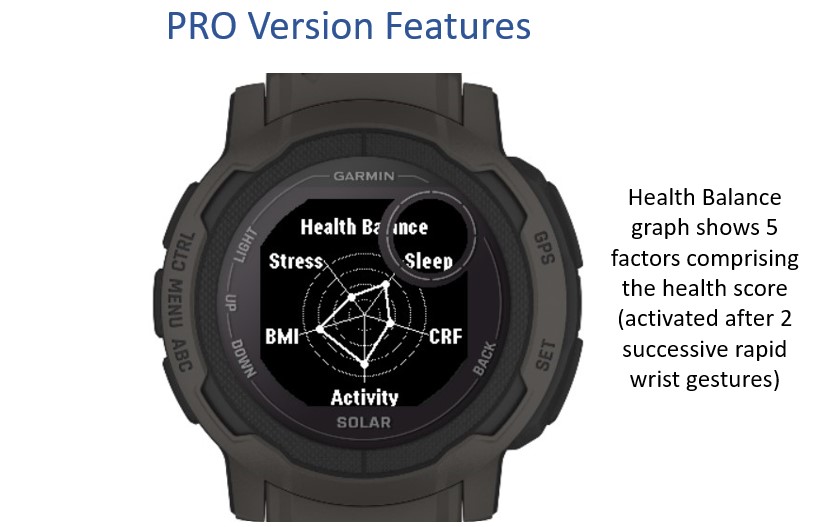
Artificial intelligence analyzing image – Convergence of artificial intelligence with social media: A …
One of the most exciting developments is the application of computer vision to fitness. AI-enabled Cameras & Vision News reports on systems that use smartphone cameras or standalone devices to track skeletal points in real-time. When paired with a wearable, this technology offers professional-level form correction.
Consider a user performing squats in their living room. A smart TV equipped with AI vision or a connected phone camera analyzes the depth of the squat and the alignment of the knees. Simultaneously, the wearable tracks heart rate stability. The AI coach provides audio feedback: “Keep your chest up and drive through your heels.” This level of interactivity was previously exclusive to expensive in-person personal training.
Bio-Signal Processing and Predictive Health
Health & BioAI Gadgets News is currently focused on the predictive capabilities of AI. Beyond fitness, these devices are becoming early warning systems. By establishing a baseline for metrics like skin temperature, resting heart rate, and blood oxygen saturation, AI algorithms can detect anomalies that may indicate the onset of an illness days before symptoms appear.
This predictive power is vital for training adaptation. An AI coach might dynamically adjust a marathon training plan based on AI Sleep / Wellness Gadgets News data. If the user’s HRV (Heart Rate Variability) drops significantly—a sign of nervous system stress—the AI will automatically downgrade a scheduled high-intensity interval session to a recovery run, preventing overtraining and injury.
The Role of Specialized Hardware
The form factor of fitness AI is expanding. Smart Glasses News indicates that heads-up displays (HUDs) are becoming a viable tool for runners and cyclists, projecting real-time metrics and navigation instructions directly into the line of sight. Similarly, AI Audio / Speakers News highlights the role of “hearables”—smart earbuds that not only play music but also use biometric sensors to measure body temperature and heart rate from the ear canal, often providing more accurate data during high-movement activities than wrist-based sensors.
Furthermore, the miniaturization of tech seen in AI Pet Tech News (tracking animal vitals) and Robotics Vacuum News (spatial awareness) shares a technological lineage with human fitness trackers. The same SLAM (Simultaneous Localization and Mapping) algorithms used by vacuums are adapted for AR/VR AI Gadgets News to create immersive fitness games where users box against virtual opponents or cycle through digital landscapes.
Section 3: Implications and the Connected Ecosystem
The utility of an AI fitness coach multiplies when it is connected to a broader ecosystem of smart devices. The siloed approach to health data is ending, replaced by an integrated web of information.
Nutrition and Smart Kitchens
Exercise is only half the equation; nutrition is the other. AI Kitchen Gadgets News and Smart Appliances News suggest a future where your refrigerator and smart oven communicate with your fitness coach. If your wearable detects that you just burned 800 calories on a heavy lifting session, it could communicate with a meal-planning app to suggest a high-protein dinner recipe. Smart scales and metabolic breath analyzers further close the loop, providing data on how specific foods affect your body composition.
Mental Health and Environment
Physical fitness is deeply intertwined with mental state. Neural Interfaces News explores non-invasive ways to detect stress and focus. Future fitness devices may incorporate EEG sensors to monitor brain states during meditation or yoga. If stress levels are high, the AI coach might suggest a breathing exercise rather than a workout.
Artificial intelligence analyzing image – Artificial Intelligence Tags – SubmitShop
Even AI Office Devices News plays a role. Smart ergonomic chairs or standing desks can sync with fitness trackers to remind users to move based on their actual sedentary time, rather than a generic timer. This seamless integration creates a lifestyle where health is managed 24/7, not just during a designated workout hour.
Broader Industry Cross-Pollination
The technology driving fitness AI draws from diverse sectors:
- Autonomous Vehicles News: The LiDAR and object recognition tech used in self-driving cars is being adapted for AI for Accessibility Devices News, helping visually impaired runners navigate tracks safely.
- Drones & AI News: “Follow-me” drones are being used by extreme sports enthusiasts to capture footage and analyze biomechanics from aerial angles.
- AI Tools for Creators News: Fitness influencers utilize AI to overlay biometric data onto video content, creating engaging visualizations of their effort levels for their audience.
- AI in Gaming Gadgets News: Gamification of fitness, powered by AI that adapts difficulty levels to the user’s real-time heart rate, is making exercise more addictive and fun.
Section 4: Challenges, Best Practices, and Recommendations
While the potential of AI fitness coaches is immense, there are significant challenges and considerations for consumers and developers alike.
Accuracy and “Hallucinations”
One of the primary risks with generative AI is the potential for “hallucinations”—confidently stating incorrect information. In a health context, bad advice can lead to injury. AI Research / Prototypes News emphasizes the need for “grounding” LLMs in verified sports science data. Users should treat AI advice as guidance rather than medical prescription. It is crucial to cross-reference AI suggestions with how your body actually feels.
Data Privacy and Security
Artificial intelligence analyzing image – Artificial intelligence in healthcare: A bibliometric analysis …
With AI Security Gadgets News constantly highlighting vulnerabilities, the aggregation of intimate health data poses a privacy risk. An AI coach knows your location, your heart patterns, your sleep schedule, and potentially your home environment. Users must prioritize devices that process data on the edge (on the device itself) rather than sending raw data to the cloud. Reviewing privacy policies to ensure data is not sold to third parties is a critical best practice.
Battery Life vs. Intelligence
Running complex AI models drains power. This is a classic trade-off in AI Phone & Mobile Devices News. For wearables, which have tiny batteries, this is even more acute. Users may have to choose between a “dumb” watch that lasts two weeks and a “genius” watch that needs daily charging. The industry is looking toward AI for Energy / Utilities Gadgets News for breakthroughs in battery management systems to mitigate this.
Inclusivity and Bias
AI in Fashion / Wearable Tech News often discusses the physical fit of devices, but algorithmic bias is also a concern. Fitness algorithms must be trained on diverse datasets to ensure they work equally well for people of all ages, races, and fitness levels. AI Education Gadgets News suggests that educating users on how these algorithms work can empower them to use the tools more effectively.
Conclusion
The trajectory of AI Fitness Devices News points toward a future where technology is invisible yet omnipresent. We are moving away from the era of checking a screen to see if we hit 10,000 steps, toward an era where an AI Personal Robot or virtual coach whispers in our ear that we are peaking for our marathon and should rest.
From AI Gardening / Farming Gadgets News optimizing crop health to Smart City / Infrastructure AI Gadgets News optimizing traffic flows, the world is becoming more efficient through intelligence. Fitness is no different. By leveraging AI Monitoring Devices News and advanced algorithms, we are unlocking the ability to understand the human body with unprecedented depth. However, the most successful implementation of this technology will remain one that empowers the user, providing actionable insights while remembering that the effort, ultimately, must come from the human, not the machine.