


Introduction
The landscape of the modern home is undergoing a seismic shift. For decades, home appliances were viewed as static hardware investments—you purchased a refrigerator, washing machine, or oven, and its feature set remained frozen in time until the device physically failed. However, recent developments in Smart Appliances News indicate a fundamental transformation in how manufacturers approach the lifecycle and intelligence of household devices. The industry is moving away from isolated “smart” gadgets toward a fully integrated, software-defined ecosystem that mirrors the evolution of the smartphone market.
Leading technology giants are now bridging the gap between mobile interfaces and appliance control panels, creating a unified user experience (UX) that transcends device categories. By extending software support timelines to unprecedented lengths—up to seven years—and integrating advanced connectivity protocols, the smart home is becoming a cohesive, evolving platform rather than a collection of disparate tools. This article explores the technical implications of unified operating systems (such as the expansion of One UI), the critical importance of long-term security patching, and how Artificial Intelligence (AI) is reshaping the functionality of our living spaces. From AI Phone & Mobile Devices News to the kitchen, the boundaries are blurring, creating a seamless digital fabric for the modern consumer.
The Unification of the Smart Home Ecosystem
From Fragmentation to Cohesion
Historically, the smart home experience has been plagued by fragmentation. A consumer might own a smart television, a connected refrigerator, and a robotic vacuum, each operating on different interfaces, requiring separate apps, and utilizing distinct design languages. The latest industry shifts aim to dismantle these silos. By expanding mobile-first user interfaces to home appliances, manufacturers are creating a consistent visual and functional language. This means the swipe gestures, iconography, and control centers found on a flagship smartphone are now being replicated on the touchscreens of induction cooktops and laundry machines.
This unification goes beyond aesthetics. It represents a deep integration of software architecture. When a unified UI links smartphones, TVs, and appliances, it allows for cross-device continuity. For instance, a video call started on a phone could theoretically be transferred to a refrigerator’s screen while cooking, or a notification regarding the laundry cycle can appear unobtrusively on the television. This level of interoperability requires robust backend synchronization, leveraging cloud computing and local connectivity standards like Matter and HCA (Home Connectivity Alliance).
The Role of Connectivity Standards
The expansion of unified interfaces is heavily reliant on the underlying communication protocols. Smart Home AI News frequently highlights the importance of the Matter standard, but proprietary ecosystem enhancements play an equally vital role. By embedding hub functionality directly into appliances—turning a soundbar or a fridge into a Zigbee or Thread border router—companies are reducing the need for standalone hubs. This turns AI Sensors & IoT News into a reality where the appliance becomes the central nervous system of the home, managing lights, locks, and sensors through a familiar interface derived from the user’s mobile device.
Real-World Scenario: The Connected Morning
Consider a scenario involving AI Sleep / Wellness Gadgets News. A user’s smartwatch detects they have woken up. This data triggers a routine via the unified ecosystem: the blinds open, the coffee machine (integrated via smart plug or native connectivity) begins brewing, and the refrigerator screen lights up with the day’s schedule and a weather report. Because the UI is consistent, the user can adjust the thermostat from the fridge panel using the same gestures they use on their phone, eliminating the cognitive load of learning different operating systems.
The 7-Year Promise: Redefining Device Longevity
The Shift to Continuous Software Support
Perhaps the most significant technical advancement in recent Smart Appliances News is the commitment to extended software support. Historically, smart appliances received updates for only a year or two, primarily for bug fixes. The new standard of offering up to seven years of updates fundamentally changes the value proposition of these devices. This mirrors the trajectory of enterprise computing and high-end smartphones, acknowledging that hardware durability often outlasts software relevance.
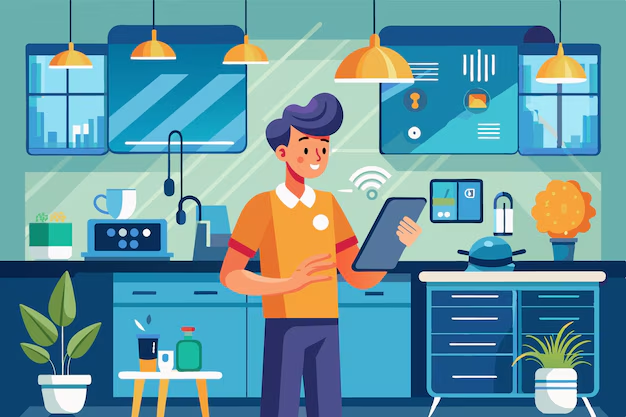
This commitment involves two types of updates:
- Security Patches: As appliances become more connected, often featuring cameras and microphones (relevant to AI-enabled Cameras & Vision News), they become potential vectors for cyberattacks. Long-term security support is essential for consumer safety.
- Feature Drops: This involves pushing new functionalities to existing hardware. A washing machine bought in 2024 could receive an AI-driven energy-saving algorithm in 2026 that wasn’t available at launch.
Hardware Implications: The NPU Necessity
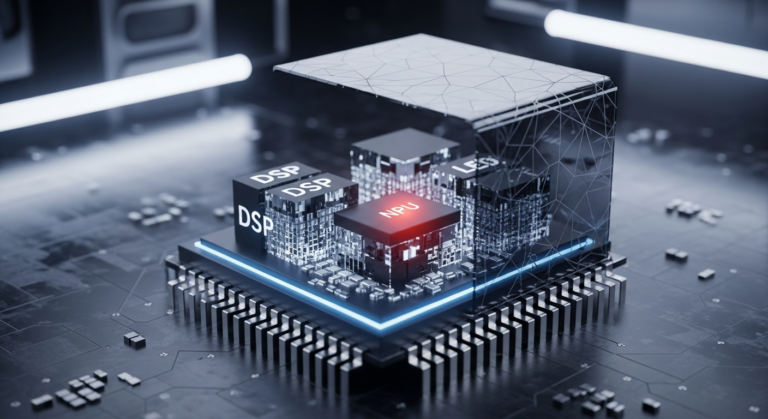
To support seven years of software evolution, the underlying hardware must be future-proof. This has led to the integration of Neural Processing Units (NPUs) and high-performance chips—such as upgraded proprietary silicon—directly into appliances. Unlike standard microcontrollers used in the past, these chips are designed to handle on-device AI processing. This is critical for AI Edge Devices News, as it allows appliances to run machine learning models locally rather than relying entirely on the cloud, reducing latency and preserving privacy.
Sustainability and E-Waste Reduction
Extending the software lifecycle of appliances is a major sustainability move. If a refrigerator’s interface remains snappy and secure for a decade, the likelihood of premature replacement decreases. This aligns with broader trends in Green Tech and AI for Energy / Utilities Gadgets News, where the focus is on maximizing the utility of manufactured goods to reduce electronic waste. Software updates can also optimize hardware performance over time, such as adjusting compressor cycles based on usage patterns to save electricity.
AI at the Edge: Intelligence Beyond Connectivity
Vision AI in the Kitchen
The integration of unified operating systems allows for sophisticated AI applications. In the kitchen, AI Kitchen Gadgets News is dominated by the deployment of internal cameras paired with computer vision. Modern refrigerators can now identify up to 33 different fresh food items. This “Vision AI” tracks inventory, suggests recipes based on available ingredients, and alerts users to expiring food. By linking this to the user’s mobile profile, the appliance can send a shopping list directly to a smartphone app.
Furthermore, these systems are learning to recognize user habits. If a user frequently opens the fridge at a specific time for a snack, the cooling system can pre-emptively adjust temperatures to maintain efficiency, a crossover into AI for Energy / Utilities Gadgets News.
Generative AI and Voice Assistants
The rigid, command-based voice assistants of the past are being replaced by Large Language Model (LLM) based interfaces. With the processing power available in modern appliances, voice interactions are becoming conversational. A user can ask their oven, “How do I cook a lasagna if it’s frozen?” and receive a contextual answer, rather than a simple timer setting. This advancement touches upon AI Assistants News, transforming appliances into active kitchen companions rather than passive tools.
Cross-Domain Intelligence
The unification of the ecosystem allows for cross-pollination of AI data.
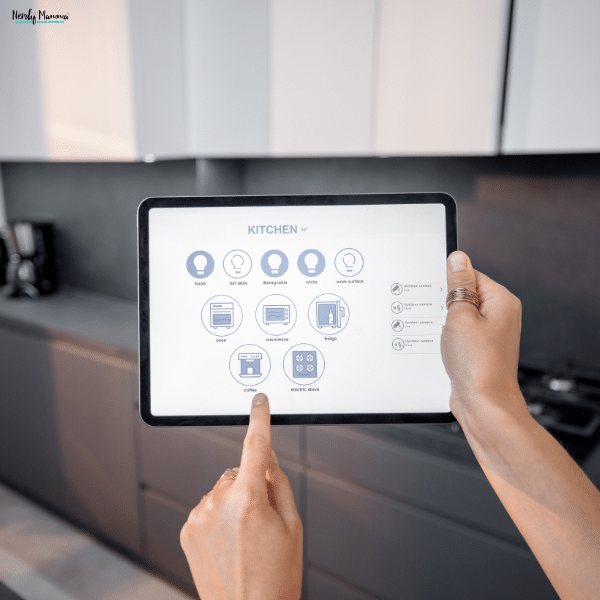
- Robotics Vacuum News: A robot vacuum mapping the floor plan can share that data with the air purifier to identify high-traffic areas that need increased filtration.
- AI Audio / Speakers News: The soundbar can detect the noise of a running vacuum and automatically boost the dialogue volume on the TV (Active Voice Amplifier features).
- AI Fitness Devices News: Data from a workout on a smart TV can sync with the kitchen hub to suggest a high-protein post-workout meal.
Implications for Niche AI Sectors
Accessibility and Inclusion
A unified UI with long-term support is a boon for AI for Accessibility Devices News. Features developed for smartphones, such as high-contrast modes, screen readers, and voice control, can be easily ported to appliance touchscreens. For users with mobility issues, the ability to control a washing machine via a phone or a TV remote eliminates physical barriers.
Security and Surveillance
As appliances gain cameras and sensors, they inadvertently become part of the AI Security Gadgets News sector. A refrigerator camera can double as a home security monitor. A robot vacuum can patrol the house while the owner is away. However, this centralization of data requires rigorous security protocols, making the promise of 7-year security updates not just a feature, but a necessity to prevent the “zombie IoT” device phenomenon.
Wearables and Personal Tech
The synergy between Wearables News and home appliances is strengthening. Smartwatches are becoming the primary authentication keys and remote controls for the smart home. The “One UI” philosophy ensures that the tiny screen on a wrist provides the same essential controls as the large screen on a family hub refrigerator, creating a seamless loop of control.
Pros, Cons, and Strategic Considerations
The Advantages
1. Seamless User Experience: The learning curve is drastically reduced. If you know how to use the phone, you know how to use the washer.
2. Investment Protection: 7-year updates mean the appliance appreciates in capability rather than depreciating immediately.
3. Energy Efficiency: AI Monitoring Devices News suggests that continuous software optimization can reduce household energy bills by 10-30% through intelligent scheduling and hardware management.
The Challenges and Risks
1. Ecosystem Lock-in: The “Walled Garden” effect becomes stronger. To get the full benefit of the unified UI, a consumer is incentivized to buy the phone, TV, and appliances from the same manufacturer. This limits consumer choice.
2. Data Privacy: With AI Personal Robots News and listening devices in every room, the amount of behavioral data collected is immense. Users must trust the manufacturer’s privacy policy implicitly.
3. Hardware Limitations: While software can be updated, hardware cannot. A 7-year-old camera sensor or NPU might struggle to run the AI algorithms of the future, potentially leading to a degraded experience over time despite software support.
Conclusion
The convergence of mobile interfaces with home appliances marks a pivotal moment in consumer technology. By treating a refrigerator or a washing machine as a computing platform deserving of a unified user interface and long-term software support, manufacturers are redefining the relationship between humans and their homes. This shift impacts every corner of the tech landscape, from AI Phone & Mobile Devices News to Robotics Vacuum News and AI Kitchen Gadgets News.
As we move forward, the “dumb” appliance is effectively extinct. In its place is a sophisticated, interconnected node in a personal IoT network, capable of seeing, listening, and adapting to user needs. While challenges regarding privacy and ecosystem lock-in remain, the promise of a home that improves with age—powered by AI and secured by consistent updates—offers a compelling vision of the future. For consumers, the next appliance purchase will not just be about hardware specs, but about the software ecosystem that powers it.