



Introduction: The Shift from Hardware to Software in the Modern Home
For decades, the home appliance industry operated on a simple “install and forget” model. A refrigerator was purchased to keep food cold, a washing machine to clean clothes, and an oven to cook meals. These devices were static; the features they possessed on day one were the same features they would have a decade later. However, Smart Appliances News suggests a seismic shift is currently underway. We are witnessing the transition from hardware-centric appliances to software-defined ecosystems. Major manufacturers are no longer just selling white goods; they are selling evolving platforms integrated with sophisticated operating systems.
Recent industry movements indicate a push toward unifying the user experience across all devices—from smartphones to induction cooktops. This convergence is characterized by the expansion of familiar mobile interfaces (like One UI) onto appliance screens, coupled with unprecedented commitments to software longevity, such as seven-year update cycles. This change addresses the fragmentation that has long plagued the Smart Home AI News sector, promising a future where your washing machine is as intuitive and secure as your flagship smartphone. As we delve into this transformation, we will explore how extended software support and unified interfaces are redefining value, sustainability, and usability in the connected home.
Section 1: The Unification of User Experience (UX) Across Ecosystems
Breaking Down the Silos
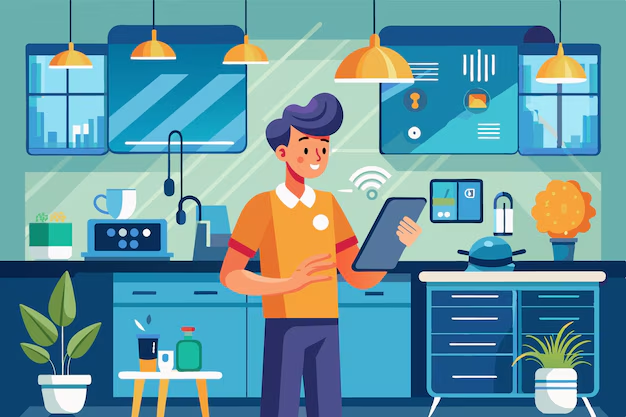
Historically, smart appliances suffered from a lack of cohesion. A consumer might own a smart fridge, a robotic vacuum, and a connected thermostat, each requiring a different app with a vastly different design language. The latest trends in AI Phone & Mobile Devices News highlight a move toward ecosystem consolidation. By bringing mobile-first interfaces—such as Samsung’s One UI or similar proprietary skins—directly to appliance touchscreens, manufacturers are creating a seamless visual and functional thread that runs through the entire home.
This unification means that the iconography, gesture controls, and notification systems used on a smartphone are mirrored on the family hub refrigerator or the smart oven. This reduces the cognitive load on the user. You no longer need to “learn” how to use your dishwasher’s smart features; if you can use your phone, you can navigate your appliance. This synergy is vital for the adoption of complex AI Kitchen Gadgets News, where advanced features often go unused due to complicated interfaces.
The Role of Connectivity Standards
This UI expansion is not merely cosmetic; it is functional. With a unified OS layer, cross-device communication becomes smoother. For instance, Wearables News often covers how smartwatches track health metrics. In a unified ecosystem, your watch could detect high stress levels or poor sleep via AI Sleep / Wellness Gadgets News integrations and automatically suggest a calming tea recipe on the smart fridge screen, while simultaneously dimming the lights via AI Lighting Gadgets News protocols. The appliance becomes a hub, not just a utility.
Furthermore, this standardization aids in accessibility. AI for Accessibility Devices News reports frequently on the need for consistent voice controls and screen readers. By porting mature mobile operating systems to appliances, manufacturers can instantly deploy advanced accessibility tools—like high-contrast modes and voice navigation—to household goods, making the smart home inclusive for all users.
Artificial intelligence analyzing image – Convergence of artificial intelligence with social media: A …
Section 2: The Seven-Year Promise: Sustainability, Security, and Value
Solving the Hardware-Software Mismatch
One of the most significant criticisms of the IoT era has been the disparity between hardware lifespan and software support. A refrigerator is built to last 10 to 15 years, yet the “smart” screen embedded in it often became obsolete within three. The recent industry pivot toward offering up to seven years of software support and operating system upgrades is a game-changer. This aligns the digital lifecycle with the physical lifecycle, a critical development often discussed in AI Sensors & IoT News.
This extended support strategy mirrors the best practices seen in AI Edge Devices News and enterprise computing. It ensures that a device bought in 2024 will still be compatible with the smart home standards of 2030. This creates a compelling value proposition: the appliance actually gets better with age as new features are downloaded, rather than depreciating the moment it is unboxed.
Security in an Interconnected World
With the rise of AI Security Gadgets News, consumers are increasingly aware of the vulnerabilities in their homes. An outdated smart fridge can be a gateway for hackers to access a home network. Long-term software commitments mean seven years of security patches. This is vital as our homes become filled with listening devices, cameras, and sensors. Whether it is Robotics Vacuum News covering mapping data privacy or AI Audio / Speakers News discussing voice data, the assurance of long-term security updates is now a baseline requirement for premium appliances.
Moreover, this longevity contributes to sustainability. AI for Energy / Utilities Gadgets News frequently highlights the role of smart grids. Appliances that receive updates can adapt to new energy-saving algorithms or integrate with future smart grid protocols, ensuring they run efficiently years down the line. This reduces the urge to replace hardware prematurely, thereby reducing e-waste.
Section 3: AI at the Edge: How Appliances Evolve
Vision and Recognition Capabilities
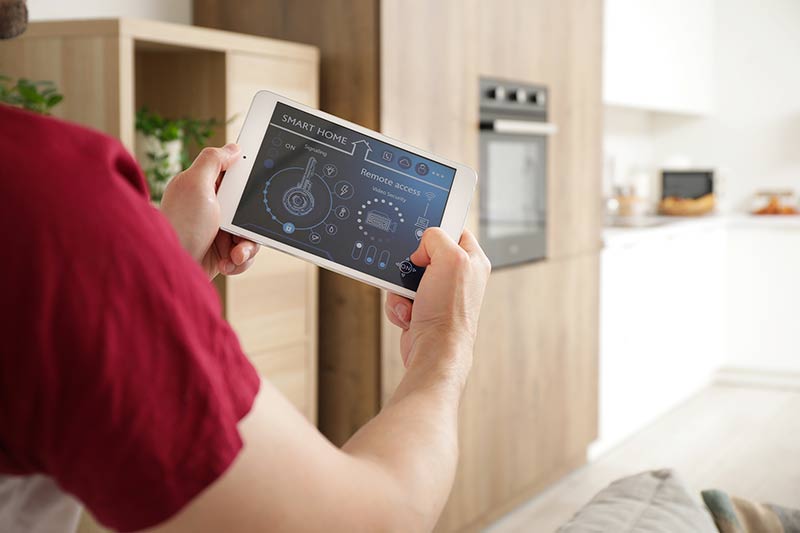
The integration of powerful processors into appliances allows for significant “Edge AI” capabilities. We are moving beyond simple remote control to genuine intelligence. AI-enabled Cameras & Vision News is no longer just about security feeds; it is about the camera inside your oven that recognizes a casserole and sets the temperature automatically. With continuous software updates, the database of recognizable foods can expand, and the cooking algorithms can refine themselves based on user feedback.
Similarly, AI Kitchen Gadgets News showcases refrigerators that scan inventory to suggest recipes and generate shopping lists. As AI Tools for Creators News evolves, we might even see appliances that help content creators film cooking tutorials automatically using built-in vision systems, editing the footage on the fly. The convergence of AI Personal Robots News and stationary appliances is blurring; a static appliance with a moving camera and voice interaction is essentially a specialized robot.
Artificial intelligence analyzing image – Artificial Intelligence Tags – SubmitShop
Predictive Maintenance and Efficiency
Deep learning models running on these devices can analyze motor vibrations and usage patterns to predict failures before they happen. This is a staple topic in AI Monitoring Devices News. A washing machine with seven years of updates can learn from millions of other units globally. If a specific usage pattern leads to belt failure, an update can adjust the motor torque profile to prevent it. This connects deeply with AI for Energy / Utilities Gadgets News, as machines learn to run during off-peak electrical hours without user intervention.
We are also seeing cross-pollination with AI Gardening / Farming Gadgets News. Smart indoor gardens integrated into kitchen ecosystems can communicate with the fridge to tell you when the basil is ready for harvest, syncing with a recipe displayed on the oven. The intelligence creates a closed loop of utility.
Section 4: The Broader Ecosystem and Future Implications
Beyond the Kitchen: A Whole-Home OS
The expansion of unified UIs goes beyond the kitchen. It touches every aspect of the connected life.
- Robotics & Drones: Robotics News and Drones & AI News suggest a future where home security drones dock on appliances or communicate directly with the home hub. A unified OS ensures these complex devices can be controlled from the nearest screen, be it a phone or a fridge.
- Entertainment: AI Toys & Entertainment Gadgets News and AR/VR AI Gadgets News are merging with home appliances. Imagine casting a cooking show from your Smart Glasses News-featured device directly to your backsplash screen, or your fridge acting as a controller for AI in Gaming Gadgets News scenarios for casual kitchen gaming.
- Health Integration: Health & BioAI Gadgets News and AI Fitness Devices News are critical here. Your smart scale data could adjust the calorie recommendations on your smart meal planner. AI in Sports Gadgets News could track your hydration needs after a workout and signal the water dispenser to prepare a specific volume of electrolyte mix.
The Office and Commute Connection
Artificial intelligence analyzing image – Artificial intelligence in healthcare: A bibliometric analysis …
The unified ecosystem extends to the workspace and the road. AI Office Devices News suggests that hybrid workers can manage home duties from the office—preheating ovens or checking laundry status via a desktop widget that shares the same UI as the appliance. Meanwhile, Autonomous Vehicles News indicates that as cars become living spaces, the “Home UI” will extend to the dashboard. You could check the contents of your fridge from your car’s screen while the vehicle drives you to the grocery store.
Challenges and Considerations
Despite the optimism, there are challenges. AI Research / Prototypes News often warns of “feature creep,” where devices become too complex. Furthermore, Neural Interfaces News hints at a future beyond touchscreens, where we might control devices with thought or subtle gestures. Manufacturers committing to 7-year cycles must ensure their current hardware isn’t bottlenecked by future software demands. There is also the question of data privacy, a recurring theme in AI Security Gadgets News. As AI Assistants News reports on agents that know our schedules and habits, ensuring this data remains local (Edge AI) rather than cloud-dependent is crucial for trust.
Conclusion: The Maturity of the Smart Home
The announcement of extended software support and unified user interfaces marks a pivotal moment in consumer electronics. It signals that the smart home industry is maturing from a collection of novelty gadgets into a robust, sustainable infrastructure. By treating appliances as evolving platforms rather than static boxes, manufacturers are unlocking value that persists long after the initial purchase.
For the consumer, this means a home that learns, adapts, and remains secure. Whether it is through AI Pet Tech News integrations that keep an eye on furry friends, or Smart City / Infrastructure AI Gadgets News connections that optimize whole-home energy usage, the software-defined appliance is the cornerstone of modern living. As we look forward, the distinction between a “phone company” and an “appliance company” will continue to dissolve, leaving us with holistic technology partners that power every aspect of our daily lives.