




I was settling in for a generic sci-fi marathon last night—you know the kind, lots of explosions, zero plot—when a small notification popped up in the corner of my screen. It wasn’t a software update. It wasn’t a “low battery” warning for the remote. It was my TV suggesting that, based on my posture and the duration of my sitting, I might want to try a “5-minute energizing flow.”
Excuse me?
We’ve been hearing about the “AI Home” for years. Marketing teams love to throw those words around like confetti. But if you’ve been following the hardware releases since IFA back in September, you know 2025 was the year it actually got weird. We moved past the phase where “smart” just meant “connected to WiFi” and landed squarely in the era where your appliances think they’re your personal trainer.
The Pivot to “Wellness” (Read: Nagging)
Hardware sales have been plateauing for a while. There are only so many 8K screens you can sell to people who barely have 4K content to watch. So, the big players—Samsung, LG, the usual suspects—had to find a new angle. That angle, apparently, is turning our living rooms into wellness centers.
The tech behind this isn’t magic, though it tries to look like it. It’s a combination of vision sensors (yes, cameras, though they swear the data stays local) and usage patterns. The latest smart TVs are packing NPUs (Neural Processing Units) that are frankly overkill for just upscaling video. They’re using that compute power to analyze you.
It’s impressive, technically. The system can track skeletal positioning to determine if you’re slouching. It connects with your smart watch to overlay heart rate data on the screen during a workout. But in practice? It feels a bit like living with a very judgmental roommate who never sleeps.
The Ecosystem Trap
Here’s the thing that frustrates me about this new wave of “AI wellness.” It only works if you buy into the entire ecosystem.
I tried setting this up with a mixed-brand household last month. I’ve got a smart fridge from one brand, a watch from another, and the TV from a third. The result? A digital mess. The “holistic health dashboard” these companies promised at the trade shows only lights up if every piece of silicon in your house shares the same logo.
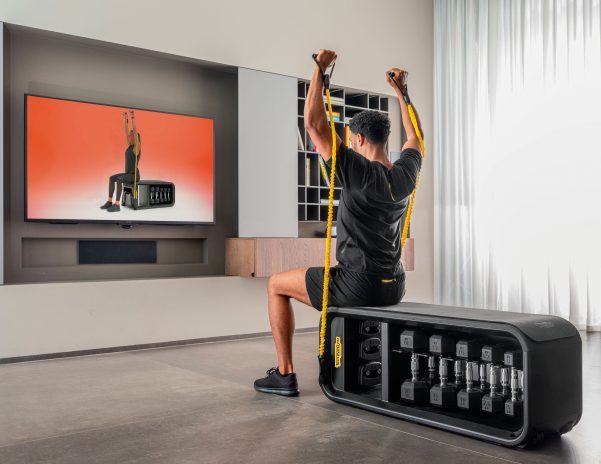
If you do buy everything from one vendor, the integration is actually kind of scary. Open the fridge three times in an hour? The screen on the door suggests a recipe for a kale smoothie instead of the leftover pizza you were reaching for. Finish a workout in the living room? The AC automatically adjusts the temperature down to cool you off.
It’s cool. It’s also incredibly expensive to replicate the demo videos we saw in Berlin.
Privacy: The Elephant in the Server Room
Let’s talk about the data. Because if my TV knows I’ve been a potato for six hours, who else knows?
Most manufacturers are pushing “on-device AI” hard this year. They have to. The regulatory heat is turning up, and consumers are getting wise to cloud processing. The pitch is that your posture data, your eating habits, and your workout stats never leave the local NPU.
I want to believe them. I really do. But I also remember reading the terms of service on my new washing machine (yes, I’m that guy), and the “data sharing for service improvement” clause was vague enough to drive a truck through.
If you’re going to enable these features, dig into the settings. Turn off “Enhanced Experience” or whatever euphemism they’re using for data collection this week. Local processing is great, but only if the device isn’t phoning home with a summary every night.
Is It Actually Useful?
Despite my grumbling, I have to admit one thing: it sort of works.
Last Tuesday, I was deep in a coding hole, staring at a monitor for four hours straight. My connected lighting system—triggered by the same wellness AI—slowly shifted the color temperature to warn me it was getting late, and the speaker in the kitchen chimed in to remind me I hadn’t logged water intake since lunch.
I was annoyed. I ignored it.
Ten minutes later, I realized I had a splitting headache and was dehydrated. So, fine. Point for the machine.

But there’s a fine line between helpful and intrusive. Right now, the algorithms struggle with context. They don’t know if I’m slouching because I have bad posture or because I’m sick and just want to be comfortable. They don’t know if I’m grabbing a snack because I’m hungry or because I’m hosting a party.
The Future is Context-Aware (We Hope)
We are still in the awkward teenage phase of AI appliances. They have the sensors to see what we’re doing, but they lack the social intelligence to know if they should say something about it.
By next year, I expect—or at least hope—we’ll see better context awareness. Large Language Models (LLMs) running locally on these appliances should help. Instead of a rigid “You have been sitting for 60 minutes,” maybe the TV can parse that I’m watching a sad movie and now is not the time to suggest burpees.
Until then, I’ve found the “Off” switch is the most reliable wellness feature I own.