


Stop looking at your wrist. The real data is in your ear.
Docker has a reputation problem, and it’s partly deserved. If you do any kind of high-intensity interval training or, god forbid, Crossfit, you know the struggle. You finish a set of burpees, your heart is pounding out of your chest, and your $800 watch calmly reports a heart rate of 72 bpm.
Well, that’s not entirely accurate — it’s infuriating.
And when I saw the latest wave of “hearables” hitting the market after CES last month, I was skeptical but curious. We aren’t talking about basic step counting anymore. The line between medical hearing aids and high-performance fitness trackers has completely evaporated.
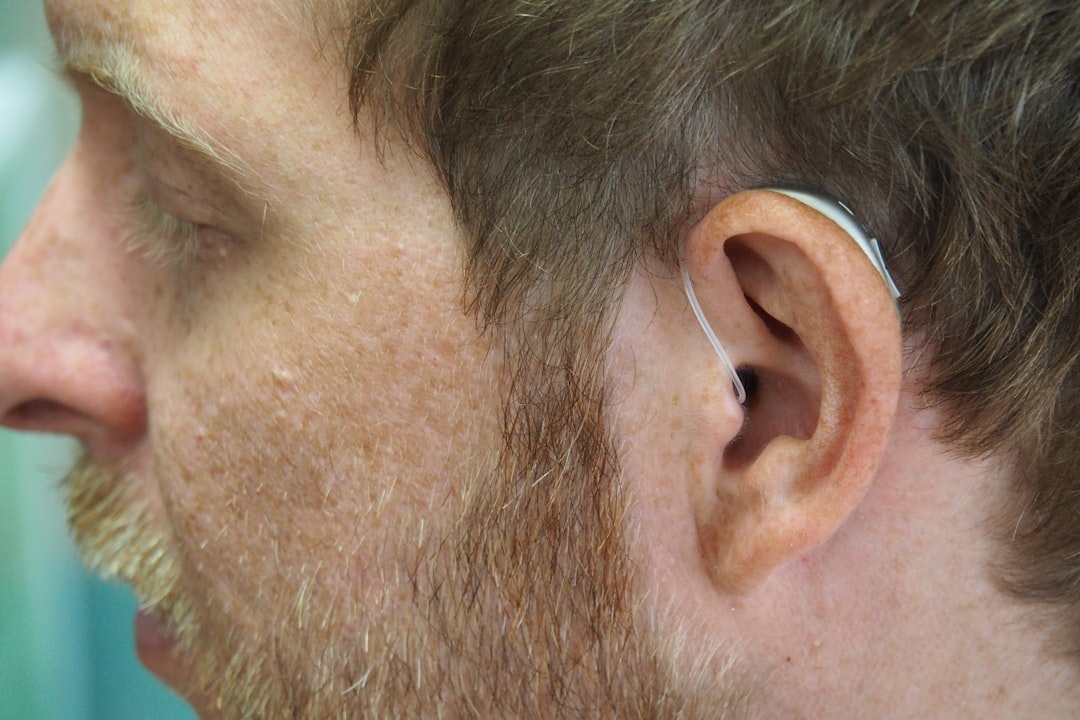
I’ve been testing the new firmware on the Starkey Genesis AI (version 3.4.2, released mid-January) for two weeks now. Actually, I should clarify — this hearing aid is a better fitness tracker than my watch. And that hurts my pride as a smartwatch loyalist.
Why the Ear Canal Wins
Physics doesn’t care about marketing. The wrist is actually a terrible place to measure biometrics. It’s bony, there’s a ton of muscle noise, you swing your arms constantly, and tattoos or dark skin can mess with the light sensors.
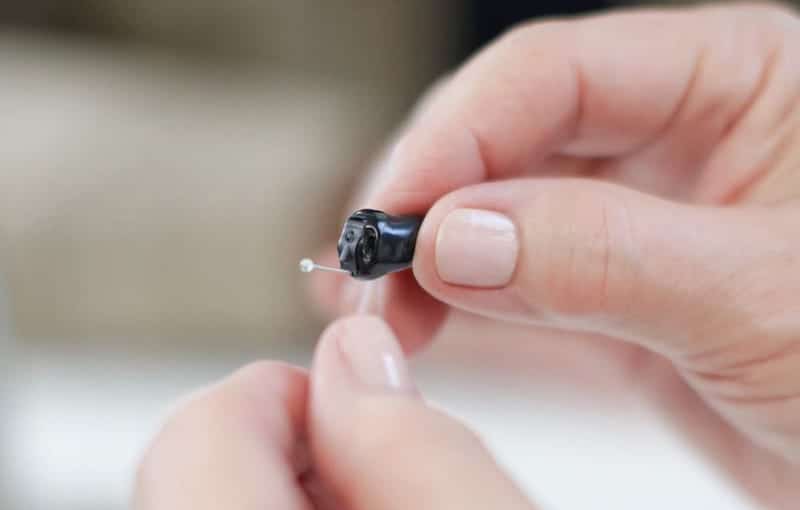
The ear canal? It’s dark. It’s stable. The skin is thin, and the blood vessels are right there. Probably the perfect environment for Photoplethysmography (PPG) sensors.
But here we are in 2026, and the tech has matured. It’s not just about hearing better; it’s about knowing your body better.
The Interval Test: Ear vs. Chest Strap
I didn’t trust the marketing claims, so I ran a benchmark. I wore a Polar H10 chest strap (the gold standard), my Garmin Fenix 8 on my wrist, and the AI-enabled hearing aids.
I did six rounds of 400-meter sprints. The results were embarrassing for the watch:
- Chest Strap (Control): Peaked at 182 bpm instantly.
- Hearing Aid: Peaked at 181 bpm, with a lag of about 1.5 seconds.
- Smartwatch: Peaked at 154 bpm, lagged by 12 seconds, and didn’t catch the true peak until I was already walking the recovery lap.
The data density from the ear is just cleaner. Because the device sits inside the canal, it doesn’t bounce around every time my foot hits the pavement. The signal-to-noise ratio is massive compared to a wrist sensor.
It’s Not Just Heart Rate
This is where the “AI” part actually matters. But in this case, the onboard processing is doing something cool with gait analysis.
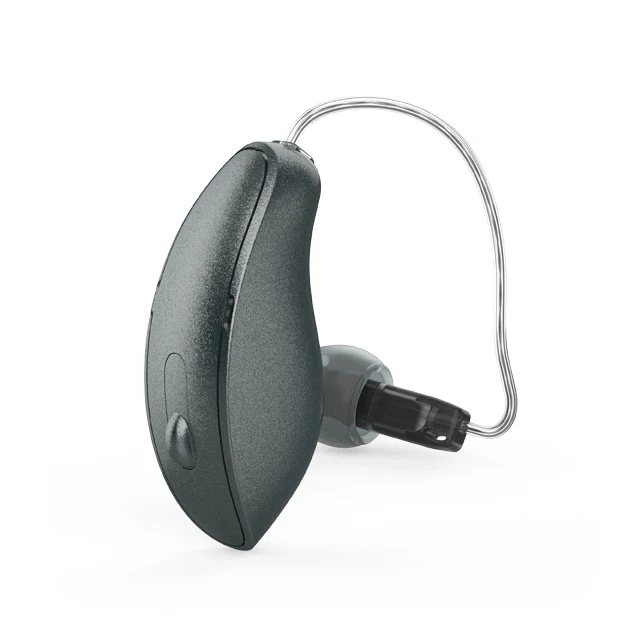
Because the device is on your head, it acts like a stabilization gimbal for your biomechanics data. It knows exactly how your head tilts when you get tired.
On my long run last Tuesday, around mile 9, I got a notification (whispered into my ear, obviously) suggesting I check my form. I checked the logs later. The device had detected an increase in my vertical oscillation and a slight right-side lean that correlates with fatigue. It wasn’t guessing based on pace. It was measuring the physical physics of my skull moving through space. That is wild.
The “Gotcha” (Because There’s Always One)
It’s not all perfect. I ran into a serious headache with battery life.
If you are streaming music via Bluetooth LE Audio and running full biometric tracking with the AI noise reduction cranked up, you are going to drain these things fast. On a standard day, I get about 16-18 hours of battery. But on days where I did a 2-hour workout with streaming? I was getting the “low battery” warning by 7 PM. For a device that you rely on to, you know, hear, that’s a pretty risky trade-off.
Who is this for?
If you have even mild hearing loss and you care about fitness, this is a no-brainer. Ditch the wrist tracker.
But what if you have perfect hearing? That’s the interesting shift I’m seeing this year. We’re starting to see “hearables” marketed to people with normal hearing purely for the biometric advantages and augmented audio focus. Sennheiser and Jabra are pushing hard in this direction, blurring the lines between “medical device” and “earbuds.”
I honestly think that by the end of 2027, we won’t distinguish between “hearing aids” and “smart earbuds.” They’ll just be ear-computers. For now, though, I’m keeping the hearing aids in for my runs. The data is just too good to ignore, even if I have to charge them during dinner.
FAQ
Are hearing aids more accurate than smartwatches for measuring heart rate during HIIT?
Yes, based on a 400-meter sprint benchmark. A Polar H10 chest strap peaked at 182 bpm instantly, the Starkey Genesis AI hearing aid peaked at 181 bpm with a 1.5-second lag, while a Garmin Fenix 8 smartwatch only reached 154 bpm and lagged 12 seconds. The ear canal is dark, stable, and thin-skinned, producing a much cleaner PPG signal than the bony, muscle-noisy wrist.
Why is the ear canal better than the wrist for PPG heart rate sensors?
The wrist is a bony, muscle-noisy location where constant arm swing, tattoos, and dark skin can interfere with light-based sensors. The ear canal is dark, stable, and has thin skin with blood vessels sitting right at the surface. Because a hearing aid sits inside the canal, it doesn’t bounce with each footstrike, giving a much higher signal-to-noise ratio than a wrist-worn optical sensor.
How long does the Starkey Genesis AI battery last with biometric tracking?
On a standard day with normal use, the Starkey Genesis AI lasts about 16-18 hours. However, if you stream music via Bluetooth LE Audio while running full biometric tracking and AI noise reduction at maximum, battery drains much faster. After a two-hour workout with streaming, the low-battery warning appeared by 7 PM, which is a risky trade-off for a device you rely on to hear.
What is gait analysis on the Starkey Genesis AI hearing aid?
Because the hearing aid sits on your head, it functions like a stabilization gimbal for biomechanics data, measuring how your skull moves through space. On a long run around mile 9, the device detected increased vertical oscillation and a slight right-side lean correlating with fatigue, then whispered a form-check notification into the ear. It measures actual head-tilt physics rather than guessing from pace.