



Introduction: The Shift from Passive Recording to Active Protection
The landscape of consumer electronics is undergoing a seismic shift, driven by the rapid miniaturization and increased power of processing chips. Nowhere is this more evident than in the realm of security technology. For years, “smart” security meant a camera that connected to Wi-Fi and uploaded footage to the cloud. However, as we analyze the latest AI Security Gadgets News, a new trend is emerging: the migration of high-end artificial intelligence features into lower-cost, consumer-grade devices. This democratization of technology is transforming passive recording devices into proactive, intelligent guardians.
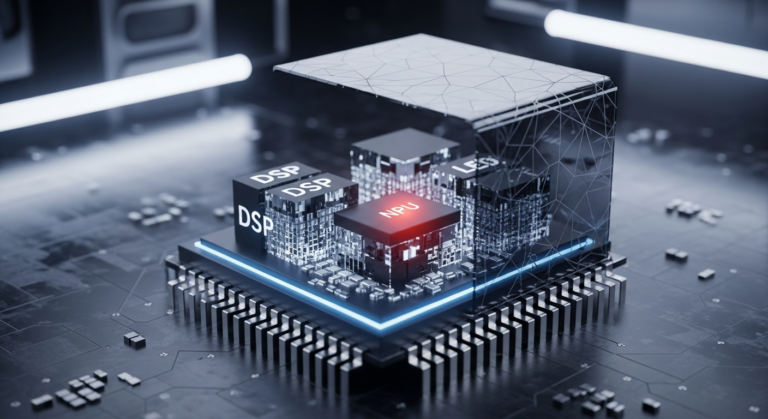
The driving force behind this evolution is the integration of Neural Processing Units (NPUs) and advanced machine learning algorithms directly onto the silicon used in everyday gadgets. This “Edge AI” approach allows devices to process data locally rather than relying on distant servers. The result is a generation of security tools that are faster, more private, and surprisingly affordable. From earbuds that can detect specific acoustic anomalies to cameras that distinguish between a stray cat and a package thief, the line between professional-grade surveillance and home security is blurring.
In this comprehensive analysis, we will explore how these hardware advancements are reshaping the security industry. We will delve into the technical specifications driving these changes, examine real-world applications across various sectors—from smart homes to autonomous vehicles—and discuss the implications for privacy and data security in an increasingly connected world.
Section 1: The Rise of Edge AI and the Hardware Revolution
The End of Latency: Processing at the Source
The traditional model of IoT security involved a significant bottleneck: latency. A sensor would detect motion, send a signal to the cloud, wait for the server to analyze the data, and then send an alert back to the user. In critical security scenarios, seconds matter. The latest AI Edge Devices News highlights a move toward on-chip processing. By embedding machine learning capabilities directly into the microcontroller, devices can make split-second decisions without an internet connection.
This is particularly relevant for AI Sensors & IoT News. Modern sensors are no longer simple binary triggers (open/close, on/off). They are becoming context-aware. For example, vibration sensors on windows can now distinguish between the wind rattling a pane and the specific frequency of glass breaking or a crowbar prying the frame. This level of fidelity, previously reserved for high-end commercial systems, is becoming standard in budget-friendly DIY kits due to efficient, low-cost chip architectures.
Audio Analytics: The Unsung Hero of Security
While video gets the most attention, audio is a critical component of situational awareness. Recent advancements in low-power audio chips are enabling always-on listening capabilities without draining batteries. This intersects heavily with AI Audio / Speakers News. Modern security hubs and even smart speakers can now listen for specific acoustic signatures—smoke alarms, breaking glass, or even aggressive speech patterns—and trigger automated workflows.
Consider the implications for Wearables News. Smart earbuds are evolving beyond music playback. In a security context, future iterations could utilize “hear-through” technology to amplify specific environmental threats (like a car approaching from behind) while suppressing background noise, acting as a personal safety device. This fusion of AI in Fashion / Wearable Tech News and personal security demonstrates how high-end processing power is finding utility in everyday accessories.
Visual Intelligence on a Budget
AI-enabled Cameras & Vision News is perhaps the most dynamic sector. The cost of running computer vision algorithms has plummeted. We are seeing entry-level cameras equipped with facial recognition, package detection, and vehicle classification. This is vital for reducing “alert fatigue.” Users no longer receive notifications for shifting shadows or swaying trees. The AI filters the noise, ensuring that alerts are actionable. This capability is also extending to AI Phone & Mobile Devices News, where the smartphone acts as the central processing hub for portable security ecosystems, utilizing its powerful chipset to manage peripheral cameras and sensors.
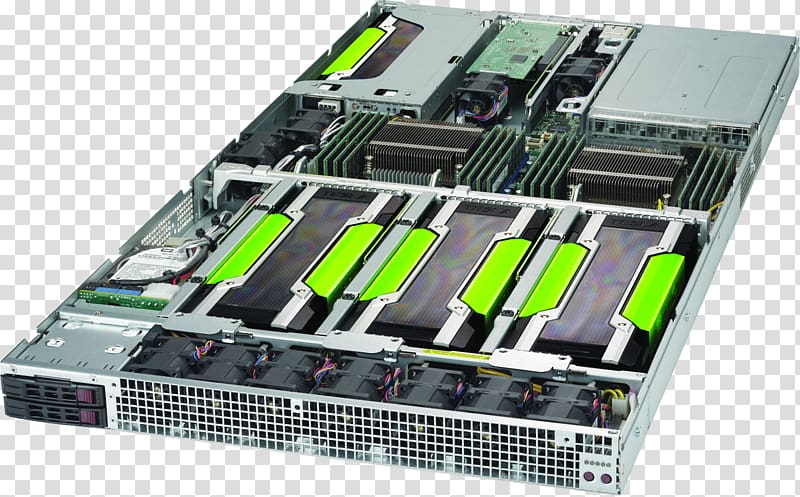
Server rack GPU – Graphics processing unit 19-inch rack Computer Servers Nvidia …
Section 2: Detailed Analysis of the Secure Ecosystem
Smart Home and Perimeter Defense
The modern smart home is a cohesive organism rather than a collection of gadgets. Smart Home AI News indicates a trend toward interoperability where security is the backbone. For instance, AI Lighting Gadgets News is moving beyond simple scheduling. Intelligent lighting systems can now mimic user behavior based on historical data to deter burglars when the house is empty (“Away Mode” 2.0). If a perimeter camera detects a person at night, the lights can flash red or spotlight the intruder, coordinated via a local mesh network.
Furthermore, Robotics Vacuum News might seem unrelated to security, but these devices possess detailed LIDAR maps of the home. Innovative manufacturers are exploring ways to use these robots as mobile sentries. When the alarm is armed, the vacuum could patrol the floor plan, investigating motion anomalies that fixed cameras might miss. This convergence of AI Personal Robots News and home maintenance maximizes the utility of hardware the consumer already owns.
Biometrics and Access Control
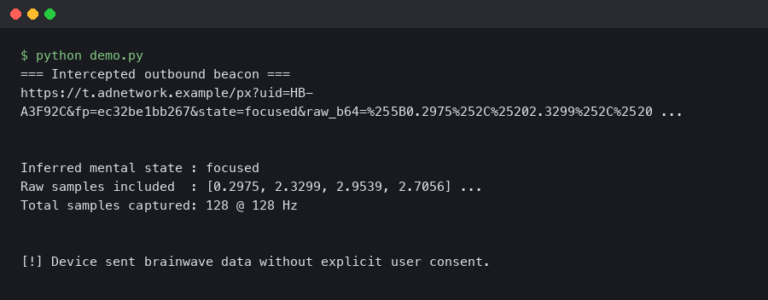
The locks of the future are biometric and predictive. Neural Interfaces News suggests a future where security could rely on brainwave patterns or advanced haptics, but for now, we are seeing AI for Accessibility Devices News drive innovation in voice and gait recognition. Smart locks can now unlock as a user approaches by recognizing their walking cadence or the specific Bluetooth signature of their AI Fitness Devices News tracker. This seamless authentication maintains high security while removing friction for the user.
Surveillance in Motion: Drones and Vehicles
Drones & AI News is revolutionizing property surveillance. For larger estates or commercial properties, autonomous drones can deploy from a base station upon detecting a breach, stream live video to the owner, and follow the intruder—all guided by on-board AI that avoids obstacles and predicts the target’s path. This technology, once military-grade, is trickling down to the prosumer market.
Similarly, Autonomous Vehicles News is heavily tied to security. The sentry modes in modern electric vehicles utilize the car’s array of cameras to monitor the surroundings when parked. These systems use the same pedestrian detection algorithms used for driving to detect vandalism or theft attempts, effectively turning the vehicle into a mobile security camera. This overlaps with AI for Travel Gadgets News, ensuring safety not just at home, but wherever the user goes.
Niche Applications: From Kitchens to Farms
Security extends beyond theft prevention to safety monitoring. AI Kitchen Gadgets News features devices that monitor stove usage. If a stove is left on and no human presence is detected for a set time, the AI can cut the power or alert the user, preventing fires. In the agricultural sector, AI Gardening / Farming Gadgets News involves monitoring crops not just for health, but for theft. Smart sensors can detect unauthorized harvesting or machinery movement in remote fields, utilizing low-bandwidth networks (LoRaWAN) to send alerts without needing Wi-Fi.
Section 3: Implications, Insights, and Future Horizons
The Convergence of Health and Security
One of the most profound insights in current tech trends is the merger of wellness and safety. AI Sleep / Wellness Gadgets News reports on devices that monitor vital signs. In a security context, these devices can detect distress. If a user’s heart rate spikes abnormally at 3 AM, or if a fall is detected (common in Health & BioAI Gadgets News), the system can automatically query the user and, if no response is given, alert emergency services and unlock the front door for first responders. This holistic approach redefines security as “life safety.”

Server rack GPU – Amd 7443p 4u Gpu Rack Server With 128gb Ddr4 Memory & 5 Gpu Support
Enterprise and Infrastructure Security
On a macro scale, Smart City / Infrastructure AI Gadgets News shows how edge computing manages traffic and public safety. Intelligent streetlights can brighten when pedestrians are alone or flash to guide ambulances. In the corporate world, AI Office Devices News includes smart badges that analyze social graphs to detect insider threats or unauthorized access to sensitive zones without needing heavy turnstiles.
Even AI for Energy / Utilities Gadgets News plays a role. Smart grids use AI to detect physical tampering with meters or cyber-physical attacks on the infrastructure, shutting down compromised nodes instantly to prevent cascading failures. This level of responsiveness is only possible with the high-end, low-latency chips now entering the market.
Entertainment and Vulnerability
As we introduce AI Toys & Entertainment Gadgets News into our homes, we introduce new vectors for risk. A smart teddy bear with a camera and microphone is technically a surveillance device. The industry is responding by implementing hardware-based security switches (physical shutters and microphone disconnects) and on-device processing to ensure that a child’s voice data never leaves the toy. This is a critical application of the “high-end security for low-cost devices” paradigm.
Similarly, AI in Gaming Gadgets News involves cameras and sensors that track player movement. Ensuring these powerful sensors cannot be hijacked for remote spying requires robust, hardware-level encryption, which is becoming standard even in gaming peripherals.
Section 4: Pros, Cons, and Recommendations
The Pros: Accessibility and Intelligence

Server rack GPU – AMD Milan 73F3 4U GPU Rack Server for Sale – Gooxi ASR4110G-D10R-G2
The primary benefit of this technological wave is accessibility. High-level security is no longer the domain of the wealthy. AI Tools for Creators News and AI Research / Prototypes News often showcase how open-source developers are using cheap hardware (like Raspberry Pi combined with AI accelerators) to build custom security solutions, fostering a culture of innovation.
- Reduced Bandwidth: By processing video locally, networks are not clogged with 24/7 upload streams.
- Privacy: Data stays on the device. Facial recognition data doesn’t need to be stored in a corporate cloud.
- Speed: Alerts are immediate, not dependent on server uptime.
The Cons: Complexity and New Risks
However, the proliferation of AI Edge Devices News brings challenges.
- Firmware Vulnerabilities: Cheaper devices may not receive long-term software support, leaving them vulnerable to exploits.
- False Confidence: Users may over-rely on AI, assuming it will catch everything, leading to complacency.
- Ethical Concerns: The ubiquity of AI Monitoring Devices News raises questions about constant surveillance, even within the family home.
Best Practices for the Modern Consumer
When integrating these new gadgets, consumers must prioritize security hygiene. This includes segmenting networks (putting IoT devices on a separate Guest Wi-Fi), regularly updating firmware, and choosing brands that transparently state their data processing policies. It is also vital to consider the physical security of the device itself; if the AI is on the camera, and the camera is stolen, is the data encrypted?
Furthermore, regarding AI in Sports Gadgets News and other portable tech, users should be aware of location tracking. Disabling features when not in use is a prudent step. For those using AR/VR AI Gadgets News devices, which map the physical environment, understanding where that mapping data is stored is crucial for maintaining the privacy of one’s physical space.
Conclusion
The intersection of advanced silicon engineering and consumer electronics is creating a golden age for AI security gadgets. The ability to pack high-end features—such as complex audio analytics, facial recognition, and behavioral prediction—into lower-cost chips is transforming how we protect our homes, our data, and ourselves. From AI Pet Tech News ensuring our furry friends are safe, to AI Assistants News managing our digital perimeters, the technology is becoming invisible yet omnipresent.
As we look to the future, the distinction between a “security device” and a “lifestyle gadget” will continue to erode. Your earbuds, your vacuum, and your car will all participate in a collaborative security mesh. While this offers unprecedented safety and convenience, it demands a higher level of digital literacy from consumers. By staying informed through channels like AI Security Gadgets News and understanding the capabilities of these new tools, we can harness the power of Edge AI to create a safer, more responsive world without sacrificing our privacy.