

I spent three weeks last November trying to get a custom tracking model to differentiate between a DJI Mavic and a particularly aggressive seagull over the Pacific. It’s wildly frustrating. You think you have the weights dialed in, and then a bird banks left and your automated targeting prototype decides it’s a hostile threat.
For years, the standard military response to a $200 commercial quadcopter carrying explosives was to shoot a multi-million dollar missile at it. The math on that is terrible. But you don’t need an economics degree to see how fast asymmetric warfare bankrupts a defense budget.
So the industry is finally doing what it should have done five years ago. And we’re seeing a massive pivot toward AI-powered kinetic systems1. You take a standard ballistic weapon, mount it on a high-speed robotic gimbal, feed it a computer vision stream, and let the software handle the tracking and engagement.
Sounds simple. Well, that’s not entirely accurate — it isn’t.
The Glass-to-Glass Bottleneck
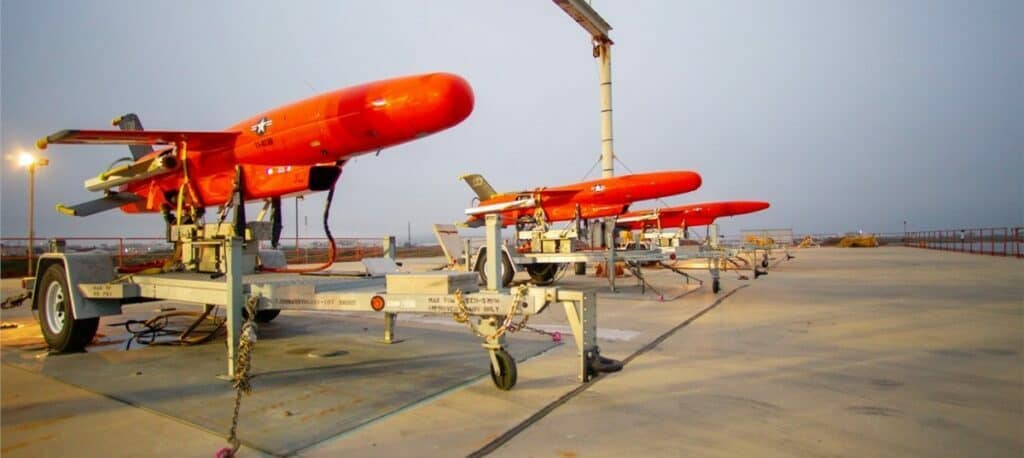
Everyone loves to talk about the weapons themselves. The hardware is the easy part. But the actual nightmare is the glass-to-glass latency and the training data.
Let’s talk about the latency first, because it’s what kills most of these projects in the prototype phase. When an FPV drone is diving at 90 miles per hour, your targeting box cannot lag. Not even a little bit.
I was testing a tracking rig in late January. We had a standard rolling shutter camera feeding into an NVIDIA Jetson AGX Orin running JetPack 6.0. The frame warping was brutal. The drone was moving so fast the camera sensor recorded it as a diagonal smear across the frame. Our model confidently drew a bounding box around empty sky, and the servos whipped the mount around to aim at nothing.
We had to rip out the optical hardware and switch to expensive global shutter sensors just to get clean frames. But even with perfect images, the software was too slow. We ended up rewriting the entire inference pipeline in C++ 2. We managed to drop our processing time from 47ms down to 11ms per frame using TensorRT2. That 36-millisecond difference is the gap between hitting a drone and shooting a hole in a cloud.
The Background Contrast Problem
Then there’s the data problem.
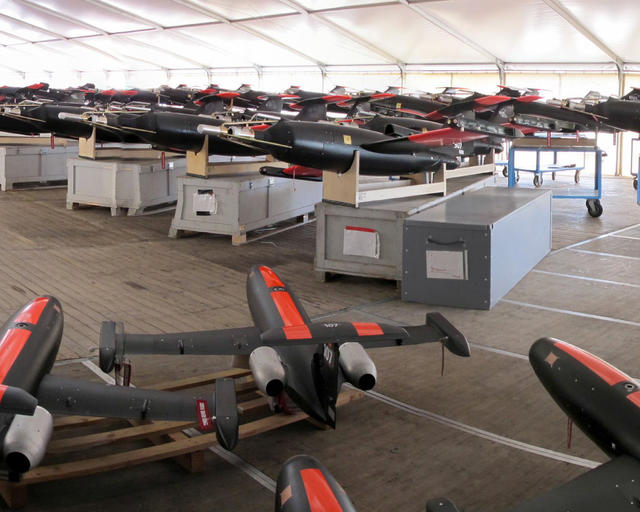
Most contractors claiming they have “perfect” drone detection are probably testing their rigs against a clear blue sky in the Nevada desert. Anything can spot a dark pixel on a blue background.
But try tracking a matte-grey carbon fiber drone flying low against a background of dense pine trees at dusk. The contrast ratio practically drops to zero. And standard object detection models like YOLOv53 completely fall apart here. Your confidence scores plummet from 0.95 to 0.20 in a fraction of a second.
This is where you have to stop relying purely on visual recognition and start building predictive kinematics into the loop. If the camera loses the drone behind a tree or a building for half a second, the system needs to calculate its trajectory and velocity. The turret needs to be pointing exactly where the target will emerge, not where it disappeared.
What Happens Next
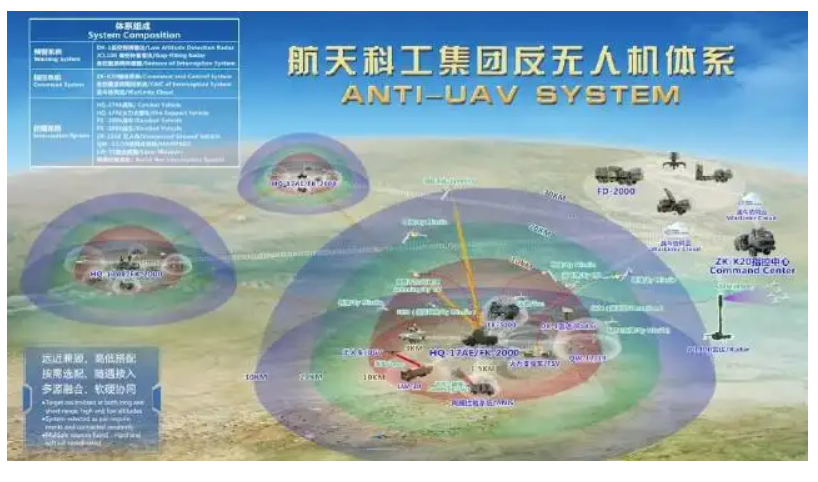
The procurement side is finally waking up to the reality of this software bottleneck. And I’ve seen the requirements changing rapidly since the defense memos circulated early this year. The military doesn’t want massive, truck-sized laser systems anymore. They want small, cheap, autonomous kinetic interceptors1 that can be bolted to the roof of a Humvee or a forward operating base.
I probably expect by Q3 2027, the focus will shift entirely away from standalone turrets. The next obvious step is networked arrays. If one optical sensor gets blinded by a laser, sun glare, or mud, an adjacent unit on the same local subnet needs to instantly take over the targeting feed without dropping the lock.
The days of a human operator trying to shoot down an incoming drone with a joystick and a screen are over. Human reflexes are simply too slow for modern threats. The machines have to track the machines now. We just have to make sure the tracking algorithms actually know what they’re looking at.