



The first time the little yellow bot followed me into the bathroom, I almost kicked it. Not out of malice—just pure, unadulterated reflex. It was 6:30 AM, I hadn’t had coffee, and there was a basketball-sized orb silently hovering near my ankle, projecting the morning weather report onto the tiles next to the toilet.
I yelled. It chirped apologetically and rolled back into the hallway.
This is life in 2026. If you told me three years ago that I’d voluntarily let a rolling camera with an onboard LLM roam my floorplan, I would have laughed you out of the room. I’m the guy who kept tape over his laptop webcam until, like, last Tuesday. I don’t trust “smart” fridges. I still think cloud-connected door locks are asking for trouble.
But here we are. I bought one. And—I hate admitting this—it’s actually useful.
The Pivot from “Gadget” to “Agent”
We spent a decade treating smart home tech like a collection of remote controls. You had to pull out your phone to turn on a light, or yell a specific syntax at a speaker to set a timer. It was clunky. It was passive.
The shift that happened over the last 18 months wasn’t about better hardware; it was about agency. This thing doesn’t wait for me to open an app. It cruises around the house building a spatial map that updates in real-time. It knows where I am. It knows where the dog is. It knows that if I’m in the kitchen at 7 PM on a Friday, I’m probably cooking, so it projects a timer onto the backsplash without me asking.
That’s the killer feature, by the way. The projector. When these things first showed up as prototypes back in ’24, I thought the projector was a gimmick. Who needs a moving screen?
Turns out, I do. I really do.
![Samsung Ballie - Samsung Ballie [EXCLUSIVE] First Look - AI COMPANION IS HERE ...](https://aigadget-news.com/wp-content/uploads/2026/01/inline_b1035d2f.jpg)
Yesterday, I was fixing a leak under the sink. Usually, this involves balancing my phone on a pile of rags, squinting at a YouTube tutorial, and inevitably knocking the phone into a puddle of grey water. This time? The bot rolled up, tilted its lens, and projected the plumbing diagram huge and bright right onto the cabinet door next to my head. When I needed to see the next step, I didn’t touch anything with my grimy hands. I just nodded at it. It recognized the gesture and scrolled the page.
That’s not “smart home” marketing fluff. That’s actual utility.
It’s Not All Sci-Fi Magic
Let’s be real, though. It’s not perfect. The AI is impressive, sure—it runs a localized version of a multimodal model that can identify objects and context—but it still hallucinates intentions.
Last week, I was arguing with my brother on the phone. I was pacing, waving my hands around. The bot interpreted my agitation as a “workout” context. It dimmed the lights, started playing high-tempo techno music, and projected my heart rate (read from my watch) onto the wall. Read the room, buddy. Not the time.
Then there’s the physical reality of having a robot underfoot. If you have stairs, it’s obviously stuck on one floor unless you buy two (I’m not that rich) or carry it like a baby (I’m not that undignified). And while the obstacle avoidance is 99% solid, that 1% failure rate means it occasionally tangles itself in a stray ethernet cable and whines until I rescue it.
My cat, Barnaby, has also declared war on it. He treats it like a sheep to be herded. I’ve come home twice to find the bot cornered in the laundry room, battery dead, with Barnaby sitting guard by the door. The AI is smart enough to navigate a chaotic living room, but it apparently hasn’t figured out feline psychology yet.
The Privacy Elephant in the Room
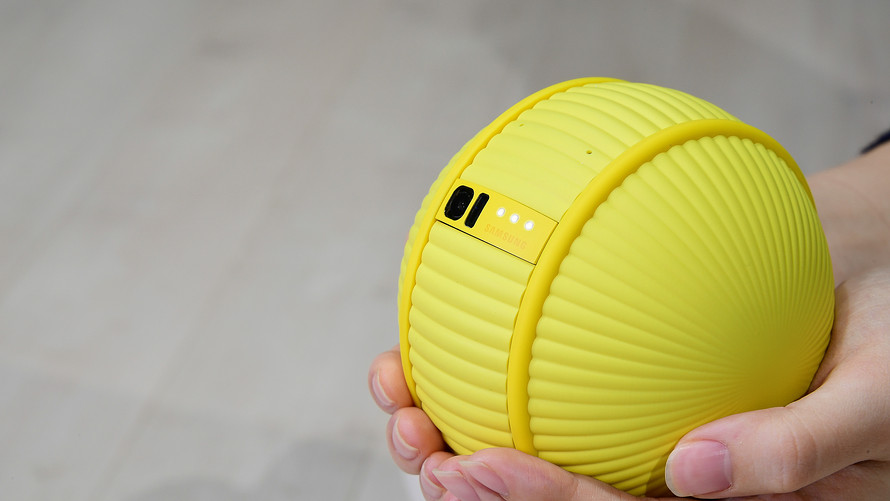
We have to talk about the cameras. There are three of them on this unit. Front, back, and the wide-angle for navigation. It is constantly recording to process its environment.
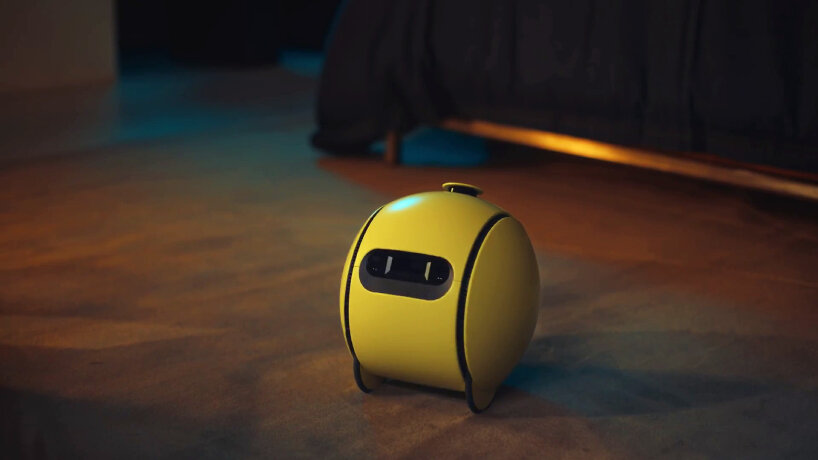
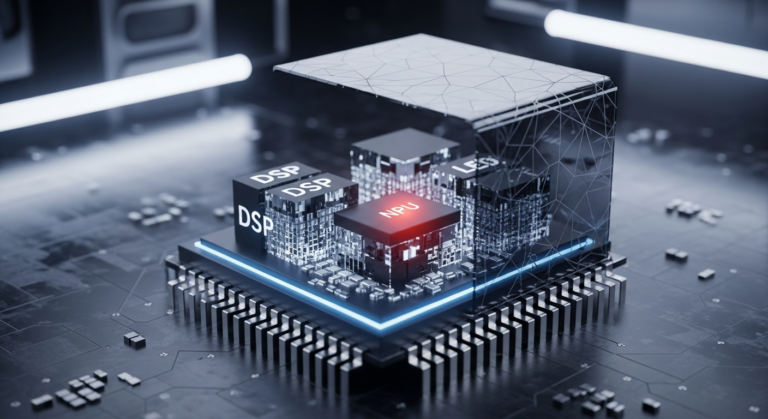
The manufacturers—all of them—swear up and down that the processing happens on-device. They show us the NPU specs, they talk about “local inference,” and they promise video feeds never touch the cloud unless you explicitly enable remote monitoring. I want to believe them. I really do. The network traffic analysis I ran on my router suggests they’re telling the truth; the upload spikes only happen when I actually check the camera feed from my phone while I’m out.
But it’s still a weird feeling. I’m trading a significant chunk of privacy for the convenience of having a robot remind me to water the plants by physically rolling over to the plant and flashing a light on it. Is that a fair trade? I don’t know. In 2026, it feels like the only trade left on the table.
The “Smart Home” Finally Makes Sense
Despite the privacy gnawing at the back of my brain, the integration is where this tech wins. The Matter standard finally got its act together, and this bot acts as the conductor.
I don’t have to program “scenes” anymore. The bot just sees what’s happening. If I sit on the couch and pick up a book, it turns on the reading lamp. If I turn on the TV, it turns off the lamp and closes the blinds. It’s not running a script; it’s reacting to visual cues.
It’s the difference between a motion sensor (which is dumb and triggers if a fly flies past it) and visual context awareness. The bot knows the difference between me walking through the room and me walking into the room to stay.
Is It Worth the Cash?
Look, these things aren’t cheap. You’re paying for high-end optics, a decent projector, a heavy battery, and a lot of silicon. If you live in a small apartment, you probably don’t need a robot to follow you three feet from the couch to the kitchen. You can just turn your head.
But if you’ve got a busy house? Kids, pets, projects, chaos? It’s surprisingly helpful. It’s like having a very eager, slightly clumsy intern who follows you around holding a flashlight and a clipboard.
I didn’t think I’d keep it. I bought it with a 30-day return window, fully expecting to box it up and get my money back. That was three months ago. The box is in the recycling.
Just do yourself a favor: if you get one, turn off the “Greet at Door” feature. Having a glowing eye roll at you the second you open your front door is something I never got used to. It scares the pizza guy every single time.