



Introduction
The landscape of digital health is undergoing a seismic shift. For the past decade, the line between consumer electronics and medical devices has been increasingly blurred. We live in an era where a smartwatch can detect atrial fibrillation and a ring can predict the onset of a fever. However, while the technological capabilities of these devices have skyrocketed, the regulatory frameworks governing the data they collect have largely remained stagnant. This discrepancy has created a “privacy gap” where sensitive biological data collected by consumer apps does not enjoy the same legal protections as a medical chart in a doctor’s office.
Recent developments in the legislative arena suggest that this era of unregulated data harvesting is coming to an end. Policymakers are increasingly targeting the “gray area” of health data—information collected by fitness trackers, wellness apps, and mood journals that falls outside the scope of traditional regulations like HIPAA. As we analyze the latest Wearables News, it becomes clear that the industry is bracing for a wave of compliance requirements that could fundamentally alter how devices are designed, how data is processed, and how artificial intelligence is integrated into our daily lives. This article explores the technical and ethical implications of bringing medical-grade privacy standards to the consumer market.
Section 1: The Data Dilemma in Consumer Health Tech
To understand the magnitude of proposed regulations, one must first understand the current state of data collection. Unlike traditional medical devices, which are strictly regulated by the FDA and governed by HIPAA regarding data privacy, consumer wellness devices have operated largely under general consumer protection laws. This has allowed for rapid innovation but has also led to significant vulnerabilities regarding user privacy.
The Scope of Collection
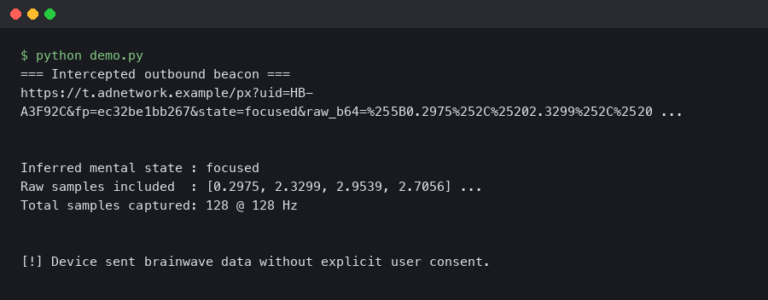
Modern devices collect far more than just step counts. Health & BioAI Gadgets News outlets frequently report on sensors capable of monitoring blood oxygen levels, skin temperature, heart rate variability (HRV), and even electrodermal activity (stress responses). When aggregated, this data creates a high-fidelity digital twin of the user’s physiology. Currently, much of this data is uploaded to cloud servers where it may be anonymized—often imperfectly—and sold to third-party data brokers, insurance companies, or advertisers.
The “HIPAA Gap”
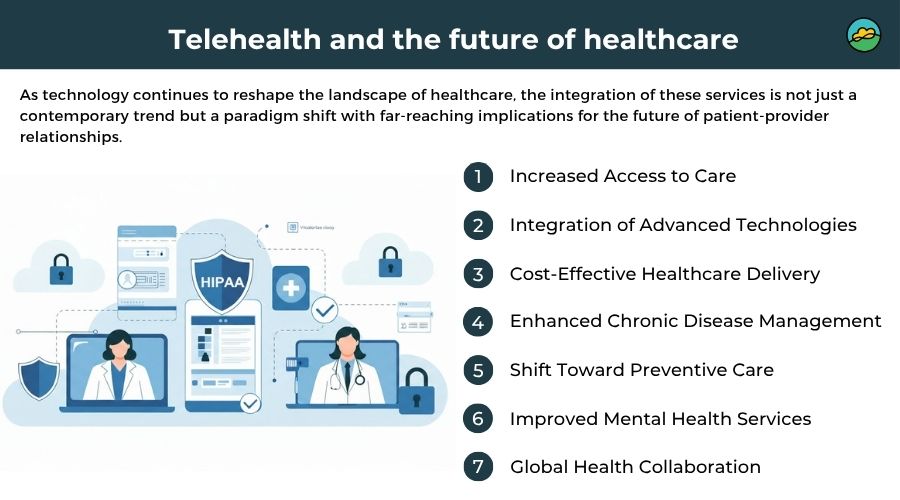
The core issue addressing legislators is the “HIPAA Gap.” If a cardiologist measures your heart rate, that data is protected. If your AI Fitness Devices News-featured smartwatch measures the exact same metric, it is often treated as commercial data. This distinction allows apps to share data in ways that would be illegal for a hospital. The push for new legislation aims to classify any app or device that collects bodily data as a custodian of health information, regardless of whether it markets itself as a “medical device.”
Integration with the IoT Ecosystem
The challenge is compounded by the interconnectivity of modern tech. Wearables do not exist in a vacuum; they communicate with Smart Home AI News hubs, AI Phone & Mobile Devices News platforms, and even Smart Appliances News ecosystems. For instance, a smart mattress (part of the AI Sleep / Wellness Gadgets News sector) might communicate with a smart thermostat to adjust room temperature based on the user’s sleep cycle. If privacy regulations tighten, these seamless integrations will require complex, encrypted handshakes to ensure that health data isn’t leaked to less secure household devices like Robotics Vacuum News-featured cleaners or AI Lighting Gadgets News systems.
Section 2: Technical Implications of “HIPAA-Style” Rules for Wearables
Implementing strict privacy rules for consumer gadgets is a massive technical undertaking. It moves beyond simple policy updates and requires fundamental changes to software architecture and hardware design.
Shift to Edge Computing
One of the most significant technical shifts we anticipate is the move away from cloud-dependent processing toward on-device processing. To minimize liability and exposure, manufacturers will likely leverage AI Edge Devices News technologies. By processing sensitive algorithms locally on the device’s neural processing unit (NPU), companies can give users insights without ever transmitting raw biological data to the cloud. This aligns with trends seen in AI Sensors & IoT News, where edge computing is becoming the standard for privacy-preserving analytics.
End-to-End Encryption and Tokenization
If consumer apps are held to clinical standards, we will see a surge in demand for advanced encryption methods. Developers will need to implement end-to-end encryption (E2EE) not just for messages, but for telemetry data. Furthermore, tokenization—replacing sensitive data elements with non-sensitive equivalents—will become standard practice for AI Monitoring Devices News. This ensures that even if a database is breached, the attacker only gains access to useless tokens rather than a user’s heart rhythm history.
Impact on AI Training
The tightening of data rules poses a challenge for AI Research / Prototypes News. Large Language Models (LLMs) and predictive health algorithms require vast datasets to learn. If user data is locked down, companies will need to rely more heavily on:
- Federated Learning: A technique where the AI model is trained across multiple decentralized edge devices holding local data samples, without exchanging them.
- Synthetic Data: Generating artificial data that mimics real-world properties to train models without compromising actual user privacy.
This shift is critical for sectors like AI Assistants News, where virtual coaches need deep personal context to be effective without violating new privacy statutes.
Section 3: Broader Ecosystem Impacts and Industry Verticals
The ripple effects of health privacy legislation extend far beyond fitness bands. Every sector that touches human biometric data will be forced to adapt.
AR/VR and Neural Interfaces
Perhaps the most sensitive area is the emerging field of spatial computing. AR/VR AI Gadgets News highlights headsets that track eye movement and pupil dilation—involuntary biological responses that can reveal health conditions or subconscious preferences. Even more critical is the sector covered by Neural Interfaces News. As brain-computer interfaces (BCIs) move from medical prototypes to consumer products, the thought data they collect must be subject to the highest possible privacy standards. Legislation here is preemptive, aiming to secure “neuro-rights” before the technology becomes ubiquitous.
Smart Home and Ambient Sensing
The definition of a “health device” is expanding. AI Security Gadgets News and AI-enabled Cameras & Vision News report on systems capable of gait analysis or fall detection for the elderly. If a security camera analyzes a user’s walking pattern to detect a stroke, does it become a medical device? Similarly, AI Audio / Speakers News discusses smart speakers that can detect coughs or agonal breathing. New regulations will likely require these “ambient health” features to be opt-in with explicit consent, separating them from standard functionality.
Specialized Niches: From Pets to Farming
Interestingly, the drive for privacy may influence peripheral industries. AI Pet Tech News involves trackers that monitor animal health; while animal privacy isn’t a legal concept, the data often reveals the owner’s location and routine. In agriculture, AI Gardening / Farming Gadgets News involves biometric monitoring of livestock. While human regulations are the priority, the technical standards developed for human wearables (like low-power encryption) will likely trickle down to these sectors, as well as AI for Energy / Utilities Gadgets News where usage patterns can infer occupancy and health status.
Workplace and Educational Monitoring
The enterprise sector will face strict scrutiny. AI Office Devices News and AI Education Gadgets News often feature tools that track attention or stress levels to improve productivity. Under strict health privacy laws, biometric data collected by an employer (e.g., via a smart badge or attention-tracking webcam) would face severe restrictions, protecting employees from discrimination based on biological data.
Section 4: Strategic Recommendations and Future Outlook
As the regulatory environment tightens, manufacturers and consumers must adapt. The “move fast and break things” era of health tech is transitioning into a “secure by design” philosophy.
Pros and Cons of Regulation
Pros:
- Increased Trust: Users are more likely to adopt AI Personal Robots News and health tech if they trust the data stays private.
- Standardization: A unified set of rules helps AI Tools for Creators News developers build compliant apps without guessing.
- Clinical Utility: Higher data standards mean consumer device data might eventually be accepted in actual clinical trials.
Cons:
- Innovation Friction: High compliance costs may kill small startups, leaving the market to giants like Apple and Google.
- Feature Reduction: Some “smart” features that rely on cloud processing (like certain AI in Gaming Gadgets News mechanics using biometrics) might be disabled to ensure compliance.
- Cost: The cost of security audits and encrypted infrastructure will likely be passed to the consumer.
The Role of Autonomous Systems
![AI chatbot user interface - 7 Best Chatbot UI Design Examples for Website [+ Templates]](https://aigadget-news.com/wp-content/uploads/2025/12/inline_3818fdf1.jpg)
Looking forward, Autonomous Vehicles News and Drones & AI News will intersect with health privacy. If a self-driving car detects a passenger having a heart attack and reroutes to a hospital, it is processing critical health data. The protocols for how this data is handled, stored, and deleted will be shaped by the very same laws targeting fitness trackers.
Accessibility and Inclusivity
Finally, it is vital that privacy laws do not hinder AI for Accessibility Devices News. Assistive technologies often require deep access to user data (voice patterns, motor control signals) to function. Regulations must be nuanced enough to protect privacy without breaking the functionality of tools designed for users with disabilities.
Practical Tips for Consumers
Until legislation is fully enacted and enforced, consumers should take proactive steps:
- Audit Permissions: Regularly check which apps have access to HealthKit or Google Fit data.
- Local Storage: When possible, choose devices that prioritize local storage over cloud syncing.
- Read the Fine Print: Look for “Data Sale” clauses in the privacy policies of AI in Fashion / Wearable Tech News items like smart rings or jackets.
- Use Burner Accounts: For non-medical devices, consider using an email alias to dissociate biometric data from your primary identity.
Conclusion
The introduction of HIPAA-style rules for the wearables market represents a maturing of the industry. We are moving from a novelty phase, where the sheer ability to track data was the selling point, to a utility phase, where the security and validity of that data are paramount. This shift touches every corner of the tech world, from Smart City / Infrastructure AI Gadgets News to AI Kitchen Gadgets News.
For developers, the message is clear: privacy can no longer be an afterthought; it must be the foundation of the architecture. For consumers, this marks the beginning of a new digital rights era where biological data is treated with the reverence it deserves. As Robotics News and AI Cameras News continue to evolve, the fusion of legislation and technical innovation will define the next generation of personal technology, ensuring that our devices serve our health without compromising our civil liberties.