




Introduction
We are currently witnessing a seismic shift in how we interact with the physical world, moving from an era of manual input to an age of ambient intelligence. For decades, data collection—whether for healthcare, home maintenance, or urban planning—was episodic. You visited a doctor for a snapshot of your health, or you checked your thermostat only when the room felt cold. Today, the convergence of artificial intelligence and the Internet of Things (IoT) is obliterating these distinct touchpoints, replacing them with a continuous, “living” stream of data.
The latest AI Sensors & IoT News suggests we are moving toward a reality where our environments and devices work in concert to predict our needs before we even articulate them. This is particularly revolutionary in the healthcare sector, where the concept of a static Electronic Health Record (EHR) is evolving into a dynamic, 24/7/365 data profile fed by a host of connected sensors. However, the implications stretch far beyond medicine. From Smart Home AI News to the latest in Autonomous Vehicles News, the integration of advanced sensing technology with machine learning models is creating a nervous system for our digital lives. This article explores the technical underpinnings, real-world applications, and future implications of this hyper-connected ecosystem.
Section 1: The Evolution of BioAI and the “Living” Health Record
The most profound impact of the AI-IoT convergence is occurring within our own bodies. The transition from reactive medicine to proactive health management relies heavily on the continuous data streams provided by modern hardware. We are moving past simple step counters into an era dominated by Health & BioAI Gadgets News, where devices are capable of clinical-grade monitoring.
From Wearables to Clinical Tools
In the realm of Wearables News, the focus has shifted from fitness tracking to biomarker analysis. Modern smartwatches and bio-patches are no longer just consumer gadgets; they are edge computing devices capable of detecting atrial fibrillation, measuring blood oxygen saturation, and even estimating stress levels through electrodermal activity. When integrated with AI, these sensors do not just record data; they interpret it.
For example, AI Sleep / Wellness Gadgets News highlights devices that don’t just track REM cycles but communicate with smart thermostats to adjust room temperature for optimal rest. Furthermore, AI in Fashion / Wearable Tech News is showcasing how sensors are being woven directly into fabrics, allowing for unobtrusive monitoring of vital signs for the elderly or high-performance athletes. This seamless integration creates a “digital twin” of the patient, allowing clinical teams to query a living database rather than relying on outdated patient history forms.
The Role of Neural Interfaces and Accessibility
Pushing the boundary further, Neural Interfaces News is reporting on non-invasive brain-computer interfaces (BCIs) that interpret intention. When paired with AI for Accessibility Devices News, this technology allows individuals with mobility impairments to control smart home environments or communicate via text purely through thought. The AI acts as the translator, converting raw neural signals into actionable IoT commands. This represents the pinnacle of human-machine symbiosis, where the sensor is not just worn, but integrated into the biological workflow of the user.
Section 2: The Sentient Home and Intelligent Infrastructure
While health monitors look inward, the smart home looks outward. The modern residence is becoming a sentient organism, thanks to advancements covered in Smart Home AI News. The goal is no longer remote control via a smartphone app, but true automation driven by sensor fusion.
Ambient Intelligence in Living Spaces
The latest Smart Appliances News indicates a move toward appliances that communicate with one another. Consider the kitchen: AI Kitchen Gadgets News frequently features refrigerators equipped with computer vision that can track inventory and suggest recipes based on dietary restrictions programmed into your health profile. This creates a feedback loop between your AI Fitness Devices News and your nutritional intake.
Similarly, AI Lighting Gadgets News focuses on circadian rhythm alignment. Instead of simple timers, sensors detect the amount of natural light and the occupants’ activity levels, adjusting color temperature to promote alertness during the day and melatonin production at night. Even cleaning has evolved; Robotics Vacuum News now details devices that use LiDAR and AI to identify specific objects (like pet waste or cables), constantly updating a semantic map of the home that can be used by other devices for navigation.
Security and Monitoring
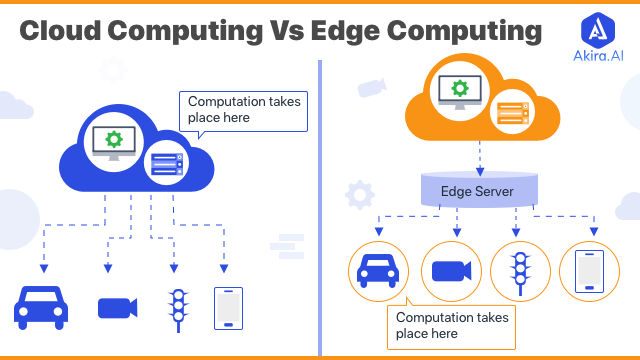
In terms of safety, AI Security Gadgets News and AI Cameras News are reporting on the shift from motion detection to object and intent recognition. Edge AI allows cameras to distinguish between a delivery driver, a stray dog, and a potential intruder, processing this video locally to preserve privacy. This technology extends to AI Pet Tech News, where cameras and collars monitor a pet’s location and health, alerting owners to behavioral changes that might indicate illness.
Beyond the Front Door: Cities and Agriculture
The ecosystem extends into the yard and the city. AI Gardening / Farming Gadgets News showcases soil sensors that communicate with irrigation systems to water plants only when necessary, optimizing resource usage. On a macro scale, Smart City / Infrastructure AI Gadgets News and AI for Energy / Utilities Gadgets News reveal how grid sensors balance energy loads in real-time, integrating data from thousands of smart meters to prevent blackouts and integrate renewable energy sources efficiently.
Section 3: Mobility, Entertainment, and the Edge
As we move through the world, the bubble of connectivity travels with us. The integration of sensors in mobile platforms and entertainment devices creates a seamless transition between home, vehicle, and office.
The Autonomous Horizon
Autonomous Vehicles News is dominated by the challenge of sensor fusion—combining inputs from cameras, radar, and LiDAR. However, the interior of the vehicle is becoming just as important. AI Monitoring Devices News within cars now tracks driver alertness and passenger comfort, effectively turning the vehicle into a mobile health pod. If a driver suffers a medical emergency, the car’s AI can pull over and alert emergency services, transmitting vital data collected from the driver’s smartwatch.
Simultaneously, Drones & AI News highlights how uncrewed aerial vehicles are acting as extended sensor platforms, performing inspections on infrastructure or delivering medical supplies to remote areas, guided by computer vision systems discussed in AI-enabled Cameras & Vision News.
Immersive Entertainment and Assistance
In the realm of leisure, AR/VR AI Gadgets News and Smart Glasses News are transforming how we consume information. Smart glasses are evolving into heads-up displays for the real world, overlaying navigation or translation data. AI in Gaming Gadgets News is utilizing sensors to track player biometrics, adjusting game difficulty dynamically based on the player’s stress levels or heart rate.
Supporting all of this are AI Assistants News and AI Phone & Mobile Devices News. The smartphone remains the central hub, or “edge gateway,” processing data from AI Toys & Entertainment Gadgets News and AI Audio / Speakers News. The trend is moving toward on-device processing (Edge AI), which reduces latency and enhances privacy by keeping sensitive voice and video data off the cloud.
Section 4: Implications, Challenges, and Best Practices
While the vision of a fully integrated, sensor-rich world is compelling, it introduces significant complexities regarding data privacy, interoperability, and hardware reliance.
The Interoperability Challenge
For a “living” EHR or a truly smart home to function, devices must speak the same language. A major hurdle discussed in AI Edge Devices News is the fragmentation of ecosystems. A consumer might have AI Office Devices News that don’t sync with their AI Personal Robots News. The industry is slowly coalescing around standards like Matter, but true seamlessness is still a work in progress.
Best Practice: When building your sensor ecosystem, prioritize devices that support open standards (like Matter or Zigbee) and offer local APIs. Avoid “walled gardens” that prevent your AI Tools for Creators News hardware from communicating with your general automation platforms.
Privacy and Data Sovereignty
With AI Research / Prototypes News constantly pushing the envelope of what sensors can detect (including emotional states via AI in Sports Gadgets News biometrics), the potential for misuse is high. The aggregation of health, location, and visual data creates a comprehensive profile that is valuable to advertisers and dangerous in the hands of bad actors.
Recommendation: Users should lean toward devices that emphasize “Edge AI” or local processing. For example, AI Cameras News increasingly features devices that process video locally and only send encrypted text alerts (e.g., “Person detected”) to the cloud, rather than the raw video feed.
Power and Sustainability
The proliferation of sensors raises questions about energy waste. However, AI for Energy / Utilities Gadgets News suggests that AI can actually reduce net consumption. By using AI Travel Gadgets News to optimize logistics or smart thermostats to manage HVAC, the energy savings often outweigh the cost of running the sensors. Nevertheless, the electronic waste generated by upgrading AI Phone & Mobile Devices News and other gadgets is a growing concern that manufacturers must address through recyclable materials and longer support lifecycles.
Conclusion
The integration of AI into the fabric of our physical devices is not merely a trend; it is a fundamental restructuring of how we manage our health, our homes, and our cities. As we have seen, the bridge between Health & BioAI Gadgets News and Smart Home AI News is being built on a foundation of continuous, real-time data. The concept of a “living” Electronic Health Record, fed by the IoT and analyzed by AI, promises a future where healthcare is preventative rather than reactive.
From the microscopic sensors in Wearables News to the macroscopic networks in Smart City / Infrastructure AI Gadgets News, the objective is the same: to create an environment that is responsive, efficient, and deeply personalized. By staying informed on AI Sensors & IoT News and making conscious choices about privacy and interoperability, consumers and professionals alike can harness this technology to improve quality of life, streamline workflows, and unlock the full potential of the connected world.